

By Rachel Myers, Houston Audubon Coastal Conservation Specialist
This week is National Invasive Species Awareness Week, an international event created by the North American Invasive Species Management Association (NAISMA). This event is intended to raise awareness about invasive species, the threat that they pose, and what can be done to prevent their spread. Invasive species are defined as a non-native species to the ecosystem under consideration and whose introduction causes economic or environmental harm or harm to human health (USDA). However, not all non-native species are invasive. Invasive species can be plants, animals, and other living organisms.
Besides invasive animals, invasive plant species pose a serious threat to the long-term sustainability of quality habitat for migrating and resident birds. Invasive species outcompete native vegetation and greatly reduce the invertebrate diversity on which many species depend. Two of the main invasive species that Houston Audubon works to remove from their sanctuaries are Chinese Tallow (Triadica sebifera) and Chinese Privet (Ligustrum sinense).
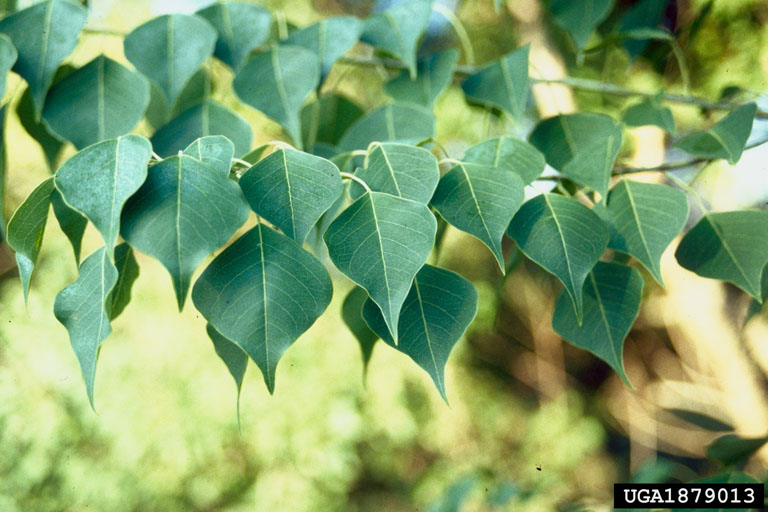
Chinese Tallow is a deciduous tree native to China and Japan that was introduced to the United States in the 1700s. It was introduced and planted for the production of seed oil/soap and to be used as an ornamental tree. Large trees can produce up to 100,000 seeds, dominating over native understory plants and preventing them from germinating. It is a very persistent plant and can regrow from cut stumps and roots. It crowds out and reduces the diversity of native vegetation. It also releases chemicals into the environment which negatively impact the growth of the native plants it competes with (Center for Aquatic and Invasive Plants).
Chinese Privet is a shrub or small tree native to Asia that was introduced to the United States in the 1800s. It was originally introduced as an ornamental plant that now invades ecosystems across the southern and eastern United States. Privet is known to be a difficult invasive to remove due to its fast growth, prolific root and stump sprouting, and abundant seed production. These characteristics are what makes it so detrimental to the survival and diversity of native plants (Alabama Cooperative Extension System).

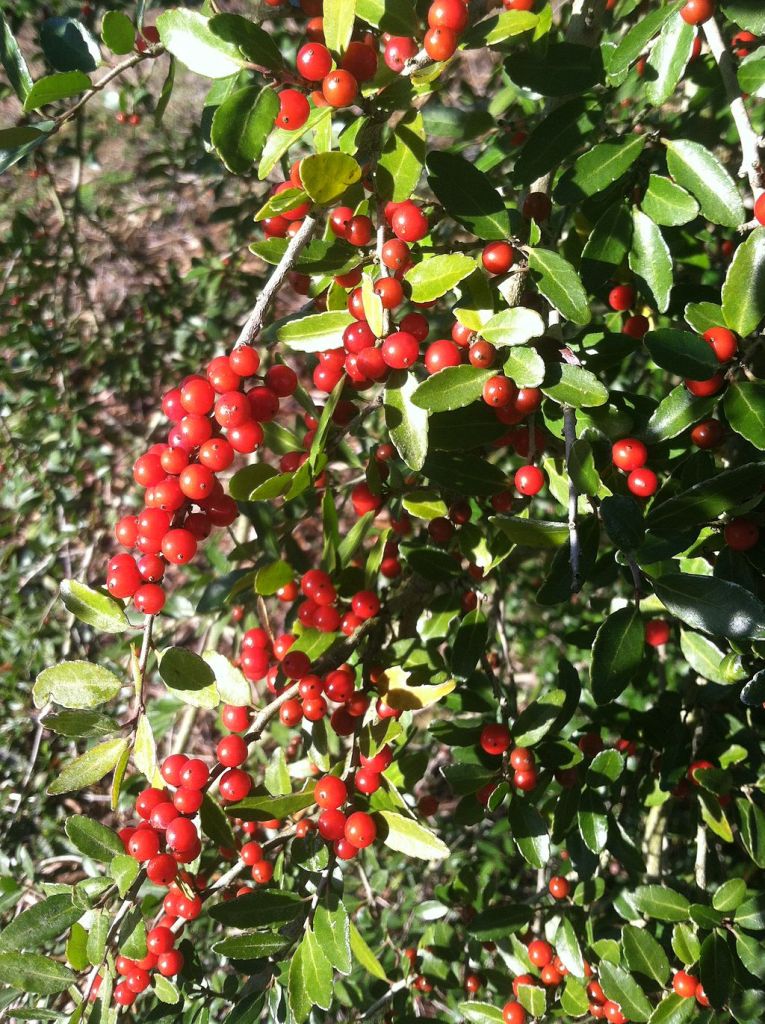
All of the birds that pass through High Island during migration are dependent on the native trees of the Upper Texas Coast such as the Yaupon Holly (Ilex vomitoria) and various oak species. These trees and other native plants house copious amounts of insects, the fuel that warblers, for example, need after flying for about 650 miles nonstop across the Gulf of Mexico. Chinese tallow and privet greatly reduce this diversity as they outcompete native plants, which makes it harder for so many birds to get the food that they need so they have enough energy to reach their breeding/wintering grounds.
Houston Audubon’s mission is to advance the conservation of birds and their habitats in the Greater Houston Gulf Coast region. This involves managing the spread of and removing invasive species, such as tallow and privet, from local habitats. If you would like to learn more about Invasive Species Awareness Week you can visit the NAISMA website (naisma.org). If you would like to be involved in Houston Audubon’s mission to preserve our local habitats for the conservation of birds, which involves removing invasive plants and planting natives, simply go to our website (houstonaudubon.org) and visit our Ways to Help tab!
 Houston AuduBlog