

By Schyler Brown, Bird-Friendly Communities Program Manager, Houston Audubon
It is Plastic-Free July, which means acknowledging and finding ways to reduce our plastic use and waste. Each week in July, we will be sharing a different kind of plastic pollution and how it impacts birds and wildlife. This week, we are talking about macro-plastics and how they harm wildlife and the environment.
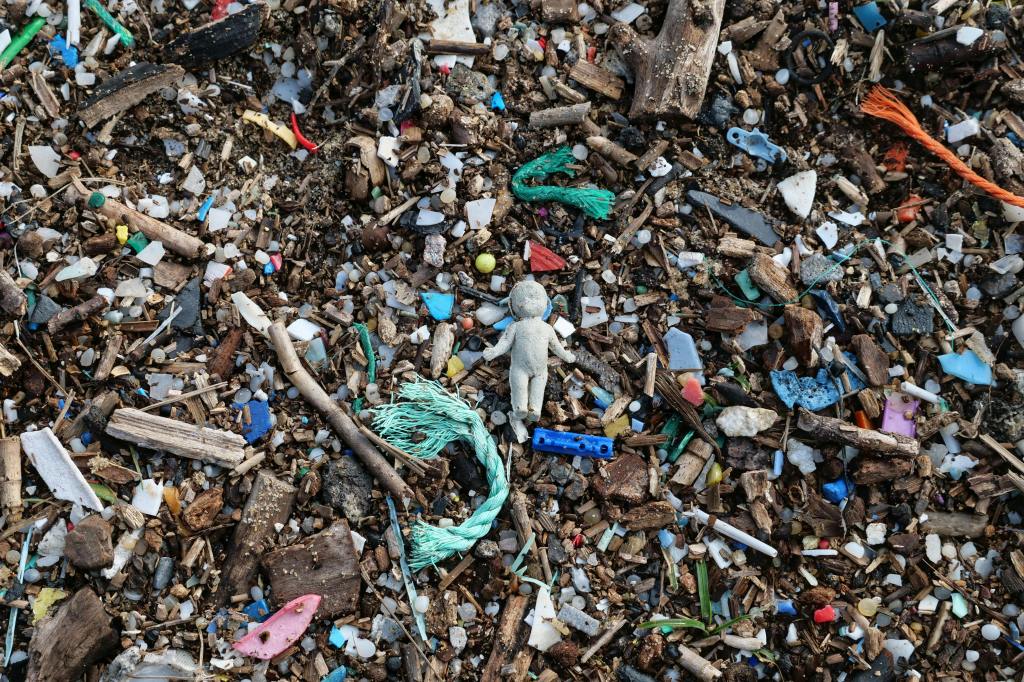
Micro-plastics are plastic wastes that are smaller (less than 5mm) than macro-plastics, sometimes invisible to the naked eye. Typically, micro-plastics are particles of plastics that have been broken down from larger pieces of plastic; however, there are some micro-plastics that are specifically manufactured to be small for whatever purpose they serve. As a pollutant, understanding the effects of micro-plastics on human health is still an early area of research, though some early studies have linked a number of diseases to them. For wildlife, however, it is definitive that micro-plastics are a hazard that can cause starvation, endocrine disruption, and death.
Micro-plastics are so bad for wildlife because they are everywhere; there is no avoiding them at any level of the environment. They are even found in the reproductive organs of humans. Because micro-plastics are everywhere, they pose an even greater risk for wildlife that get their food directly from the environment where micro-plastics accumulate. For example, smaller organisms such as plankton, small fish, and insects mistake micro-plastics for food, and eat them up. When a larger organism, such as a salmon or a bird, eats the smaller organism, the plastic that the smaller organism ate is now stuck in the digestive tract of the larger organism. The micro-plastic in the larger organism is not digestible, and as the larger organism eats more and more smaller organisms, it accumulates more and more plastic in its stomach that it cannot digest. This process is known as bioaccumulation, and leads to starvation and death.
If an organism does not accumulate enough micro-plastics to die of starvation, it could still be dealing with the effects of endocrine disruption. The endocrine system of an organism is its hormonal regulation, which helps control a massive amount of bodily function, such as body growth, reproductive health, and energy regulation. Unfortunately for wildlife, especially those near water, microplastics often carry chemicals that react with the environment, forming highly toxic substances. When ingested, these disrupt the endocrine system, which causes poor reproductive success and changes in appetite and energy availability.
Finally, micro-plastics can cause structural health to wildlife that interact with the particulates. For example, micro-plastics can damage fish gills as they pass through this sensitive organ during respiration. In other examples, ingested plastics can tear up and damage sensitive organs such as the liver. For our fish, shorebirds, and seabirds, there is no avoiding micro-plastics if we continue to use plastic as heavily as we do.
This may seem like an insurmountable problem, but you can help.

- Call your local representatives and demand stricter plastic regulations, such as a plastic bag fee or plastic product tax, to discourage the purchase of plastics.
- Use less plastic in your own day to day life. Reduce comes first in the classic Reduce, Reuse, Recycle motto for a reason – it is the most effective way to lower your personal impact.
- One way to reduce your plastic consumption is to ask yourself before each purchase if you really need this product or if it’s a want, or consider an alternative.
- Bring your reusable utensils, including reusable water bottle, fork, spoon, and straw.
- Join a litter cleanup in your area. Stopping Plastics and Litter Along Shorelines (or SPLASH) hosts litter cleanups in both Houston and along the coast, and they pick up hundreds of pounds of plastic at each cleanup, leaving our natural environment a little safer for wildlife. Sign up for their newsletter to learn more about when their cleanups are »
- Share the message with your friends, family and community, starting with this blog post!
 Houston AuduBlog
2 thoughts on “Plastic-Free July: Micro-plastic Pollution”