

By Melissa Stappen, Houston Audubon Member
Soil and sun and water, oh my! How do they all add up to a beautiful, flowering, peaceful space to share? Where do we start? That was the question when Josh and I moved to Fresno, Texas, from the northeastern states. We purchased a wonderful home with a sort of weedy, grassy yard, a few sparse shrubs, and a fruit tree—less than exciting, to say the least. So, we started to adventure into the neighboring areas of Brazos Bend State Park, Houston Arboretum, and Houston Botanic Garden, taking mental notes of what we were seeing and picking up all kinds of brochures, educational materials, and pamphlets. Although we were learning, we didn’t understand how to apply our newfound knowledge.
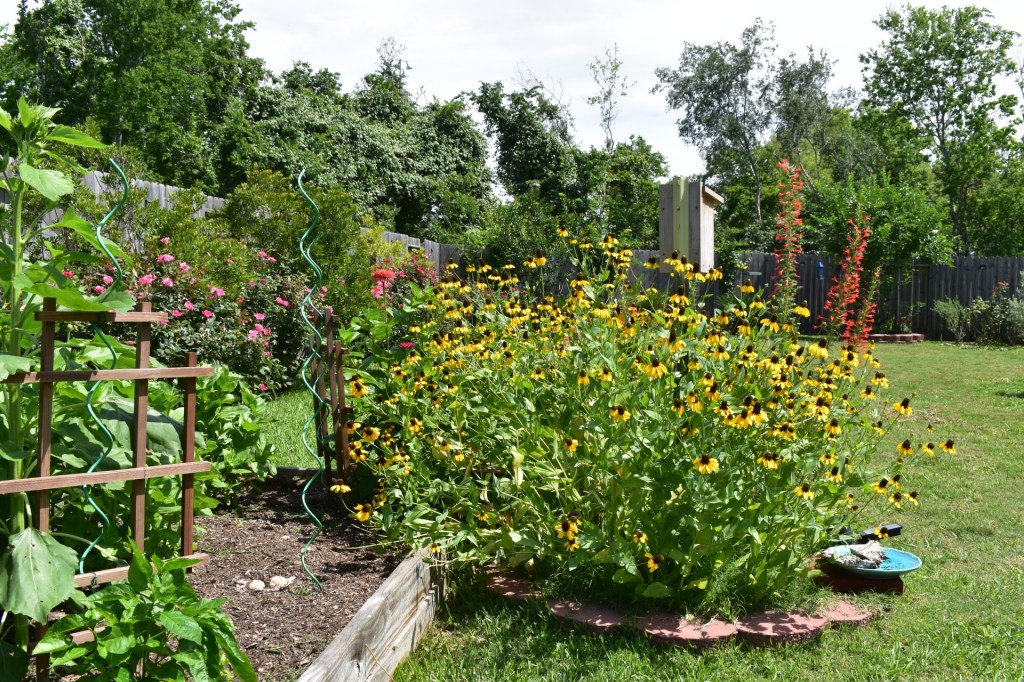
Determined to fill our space with trees, plants, and flowers, we found a class entitled “Backyard Wildlife Habitat Certification” and that is where we started. Our first step was acknowledging the challenges and determining solutions for our space. Clay soil? Yes, we have that. Shade and sunny spots? Another challenge to think about. Water in the spring and then not so much in the summer for months on end? Another hurdle to overcome. Once those elements were evaluated and determined for our space, we introduced native Houston plant species to our yard, and WOW, our space took off. First came the green anoles, then the butterflies, and, of course, the birds!
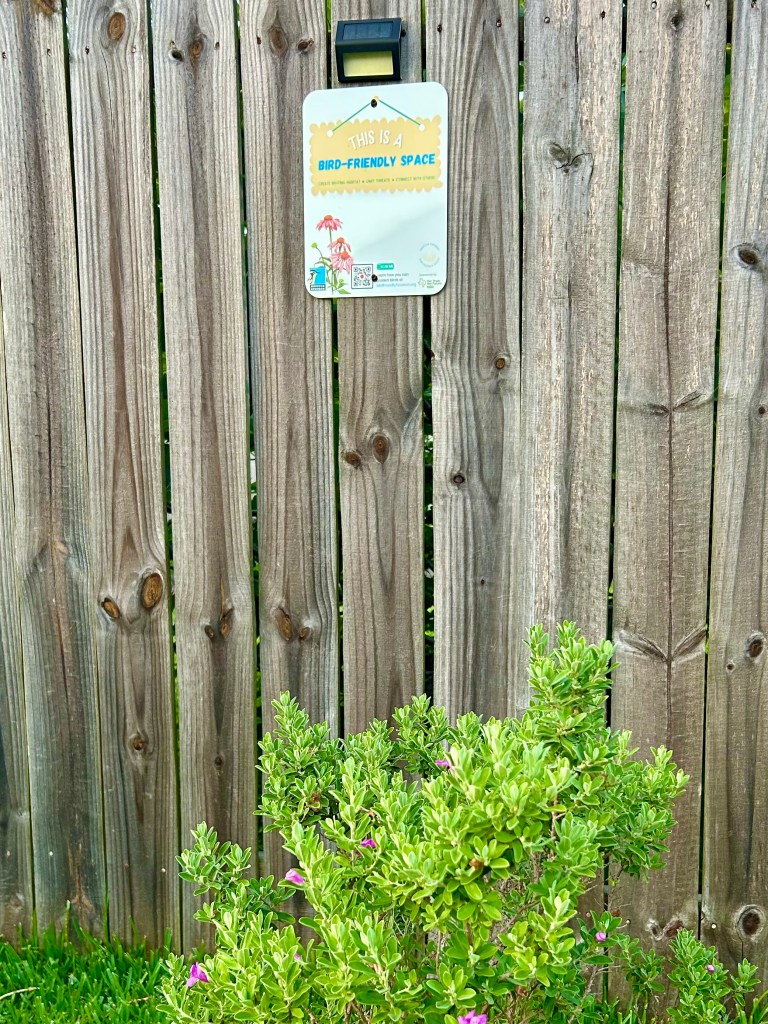
Second came our submission to Houston Audubon’s Bird-Friendly Spaces Program, to be sure we were on track by achieving recognition as a Bird-Friendly Space.
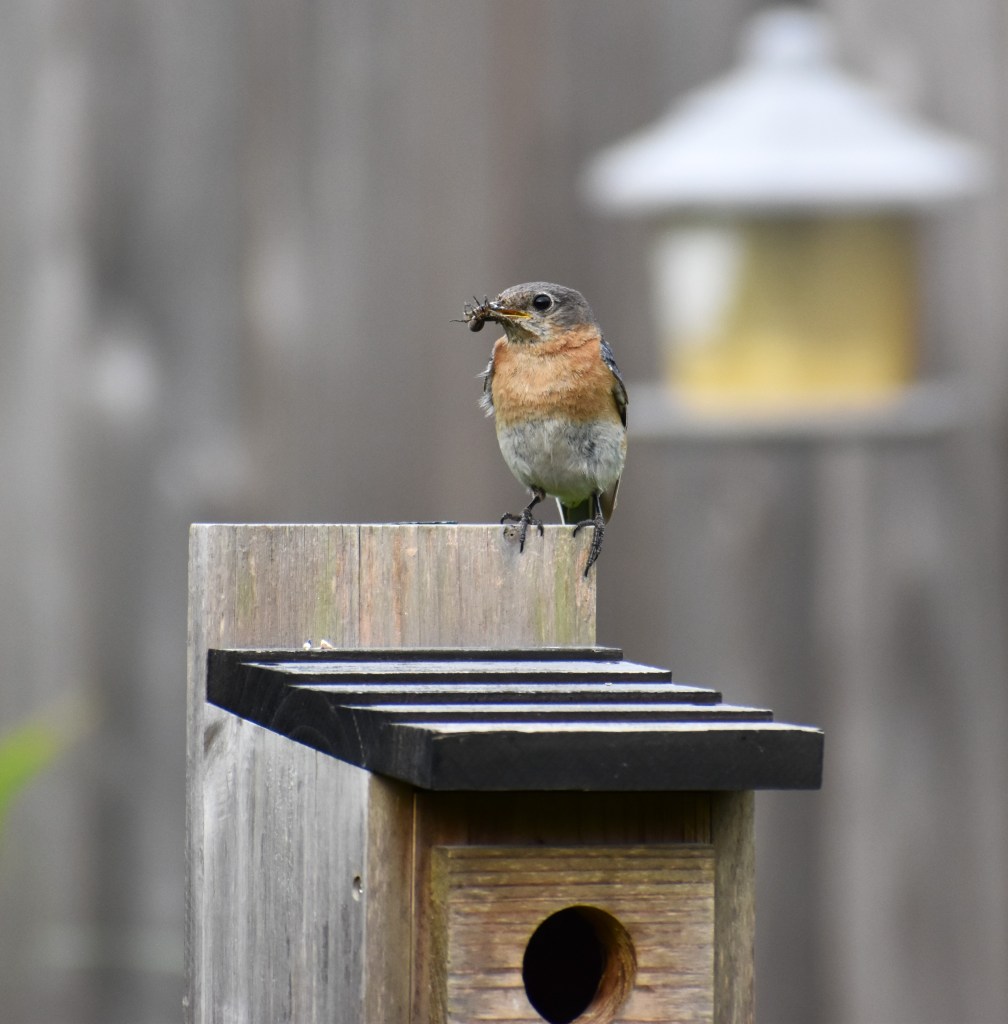
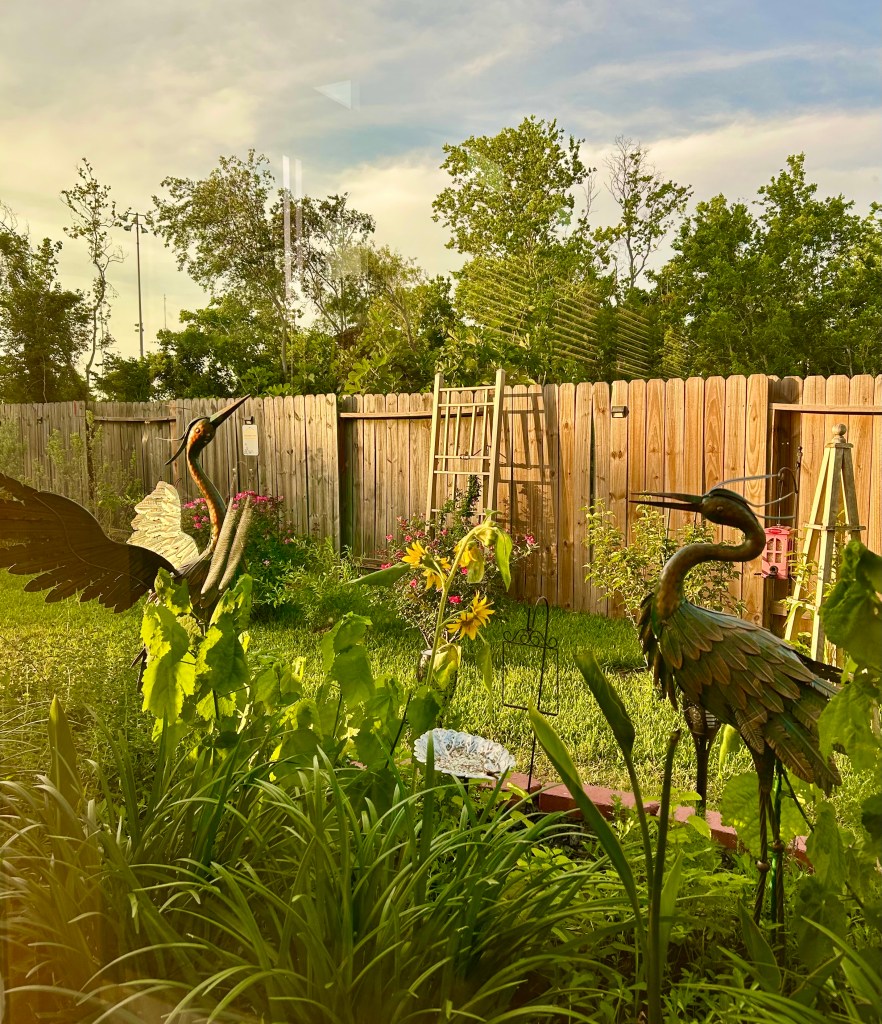
Our lovely Bird-Friendly Space continues to evolve; we are always adding new plants, creating water features, hanging nesting boxes, and filling our feeders with various bird treats (yes, our birdy visitors have favorites)—as do the squirrels!
This ‘where to start project’ is now a ‘what’s next adventure’.

If you’re taking actions at home to support birds, you may be eligible for our free Bird-Friendly Spaces Program! Sign up today for a welcome packet, badges for each bird-friendly action, and additional resources. Learn more at www.houstonaudubon.org/BFS
 Houston AuduBlog