
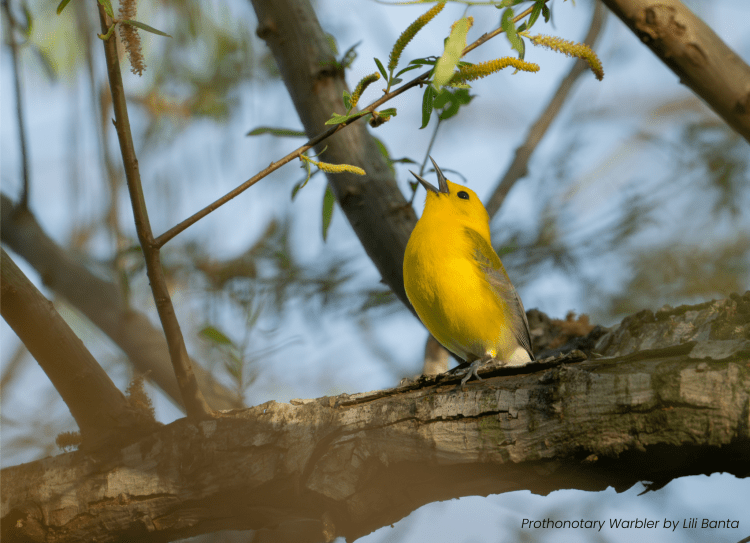

By Lili Banta, Wildlife Photographer
Every spring, birders from across the country head to High Island, a small coastal community on the upper Texas Gulf Coast that quietly transforms into one of the most important migration sites in North America [1]. Thanks to its unique position atop a salt dome and its proximity to the Gulf, High Island offers migratory birds a critical place to land after their nonstop journey from the Yucatán Peninsula, about 600–650 miles of open water without rest [1][2][3].
When conditions are just right, thousands of birds, including warblers, tanagers, orioles, and grosbeaks, drop into the trees in what birders call a fallout [4][5]. If you have ever wanted to witness peak migration in all its chaotic, colorful glory, this is the place to do it [1][5].
When to Visit: Timing Your Trip for the Best Birding
Spring migration runs from March through May, but the sweet spot for High Island typically falls between April 20 and May 5 [1]. Wyatt Egelhoff, a Sanctuary Manager at Houston Audubon who works primarily in the High Island and Bolivar Peninsula Sanctuaries, states, “Our peak season typically is about April 20–May 5 for highest diversity and volume. Things are still very much dependent on weather until the third week in April, and those visiting earlier than the 20th may be sorely disappointed if there’s a strong south wind. By the third week of April, we typically have a smattering of migrants in the woods, regardless of winds. While the wooded Delta Region of Louisiana is 600 miles direct from the Yucatan Peninsula, it’s a little bit further to get to any of Texas’ shores, at ~650–680 miles. That extra distance can make all the difference in whether birds stop.” [1]
Do not just go by dates. Watch the weather. Birds ride south winds across the Gulf, but if they hit a cold front or storm system from the north, they are forced to land as soon as they reach the coast. This is what creates those legendary fallout conditions when it seems like every tree is filled with birds [1][5].
- If strong southerly winds are forecast along the coast, especially several days of steady south winds and clear skies, expect birds to push inland and migration to be more spread out. Those days are still good for the rookery and for shorebirds, but they are less likely to produce classic migrant fallouts in the woods [1][4].
- If a strong cold front or a line of storms is forecast to reach the upper Texas coast in the late morning through afternoon, especially after a night of south winds over the Gulf, clear your schedule and go. That setup often forces birds to drop right along the coast and can create the “every tree has birds” type of day [1][5].
- When you are unsure, give priority to days when a front is actually arriving or has just arrived, with lingering north or northeast winds and low clouds, instead of the sunny, quiet day two or three days later[1][5].
Unlike many birding hotspots that peak at sunrise, High Island often sees its best arrivals in the afternoon or evening as birds complete their overnight flight [1][4]. A slow morning does not mean the day is a loss, so stay flexible, especially if the sky or wind direction starts to change.
Where to Stay: Your Home Base for the Trip
High Island itself is not built for tourists. Most people stay in Winnie or Beaumont, both about 20 minutes from the sanctuaries [3][6]. Solid options include:
- Hampton Inn & Suites Winnie, which is comfortable, clean, and close enough for early morning starts.
- Comfort Inn & Suites Winnie, which is also reliable, with good reviews for service and quiet rooms.
- Holiday Inn Beaumont Plaza, which is a bit farther out but a good option if you want more space or are staying several nights.
Wherever you stay, you will be glad to return to air conditioning, a decent shower, and a place to reset after a day in the humidity and mud [6]. You can also stay at an Airbnb along Crystal Beach, but they tend to be fairly expensive. It could be a good option for a group, though.
What to Pack: Essentials That Make a Difference
Binoculars are your number one must have. If you are traveling far, bring a backup if you can. You do not want gear failure during peak migration.
Bug spray is non‑negotiable. High Island in spring means mosquitoes in full force. Get the serious stuff and reapply often [6].
For clothing, long sleeves and pants help with both bugs and sun. Waterproof boots are a smart choice, especially after rain [6]. At the least, bring sneakers. Open toed shoes will have you struggling with insects, stickers, and a whole slew of other very uncomfortable issues.
Other useful gear:
- Wide brimmed hat and sunscreen (trust me – the hat and sunscreen are must-haves)
- Lightweight backpack or birding bag
- Water bottle and snacks (birding always goes longer than you expect, and no one wants to leave to go eat when the birding gets good)
- Notebook or birding journal
- Field guide or apps like Merlin and eBird
Bring a long lens (200 mm or more), a lens hood, and plenty of patience. Smith Oaks is especially good for photos, as it lands you right in the canopy, and the rookery offers jaw dropping opportunities in the soft light at the end of the day [1][7]. If you are shooting in the woods, expect fast moving birds in dim light, and set up your exposure and focusing strategy before things get busy.
Houston Audubon Sanctuaries: High Island and Bolivar
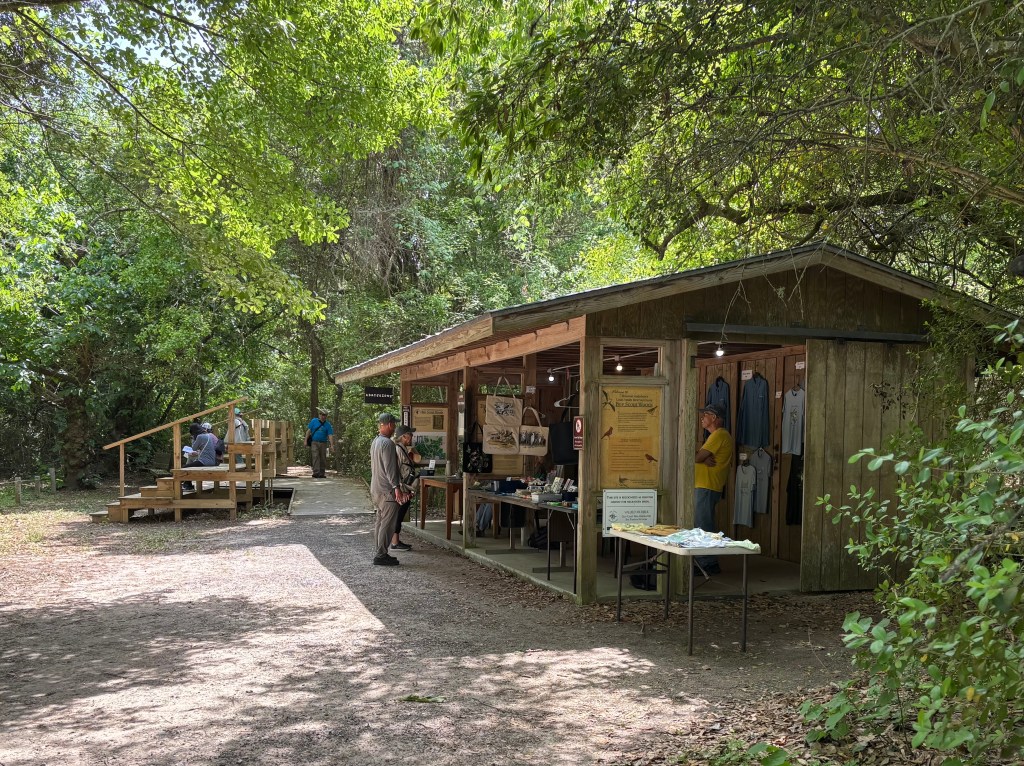
Boy Scout Woods is the heart of fallout birding on High Island. It has shaded boardwalks, water drips that pull migrants in close, and bleachers where you can sit and let the action come to you [1]. During peak season, volunteers are often on site to help with sightings and identifications [1].
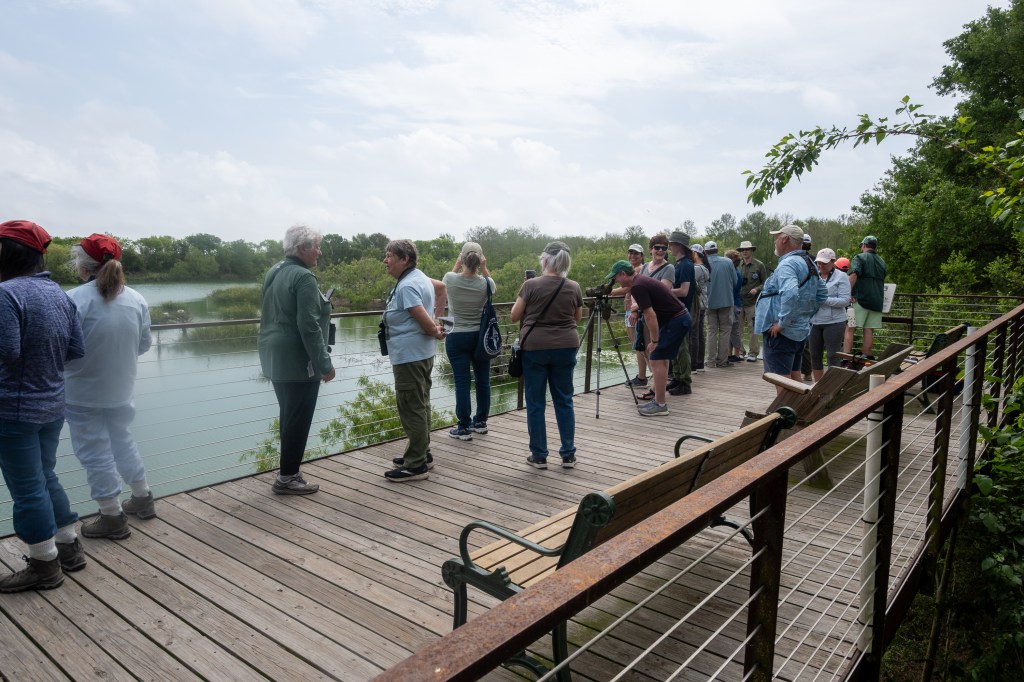
If you only have time for one stop, make it Smith Oaks. The rookery is unreal, with Roseate Spoonbills, egrets, herons, anhingas, and cormorants nesting in full view [1][7]. Observation platforms ring Claybottom Pond, and the canopy walkway lets you look down into the treetops as migrants move through [1]. It is hard to overstate how good the photography and birdwatching can be here.
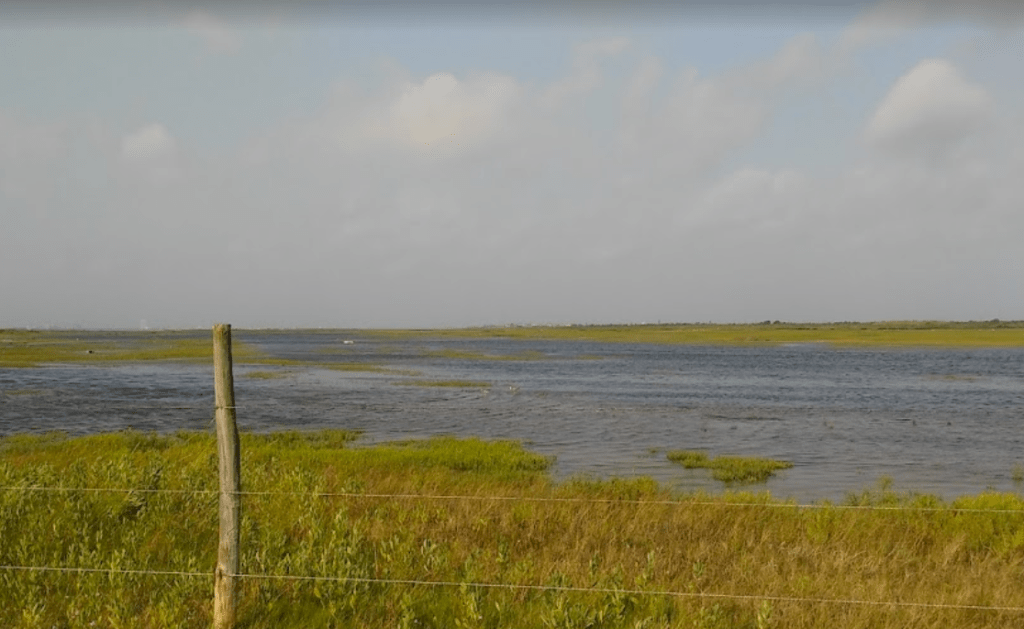
Eubanks Woods, Red Bay, and Hooks Woods
Eubanks Woods, Red Bay, and Hooks Woods are smaller and often quieter [1]. They offer slightly different habitat and can be great options when Boy Scout Woods is crowded, or when you are looking for a particular species.
Bonus Birding: Do Not Miss These Nearby Gems
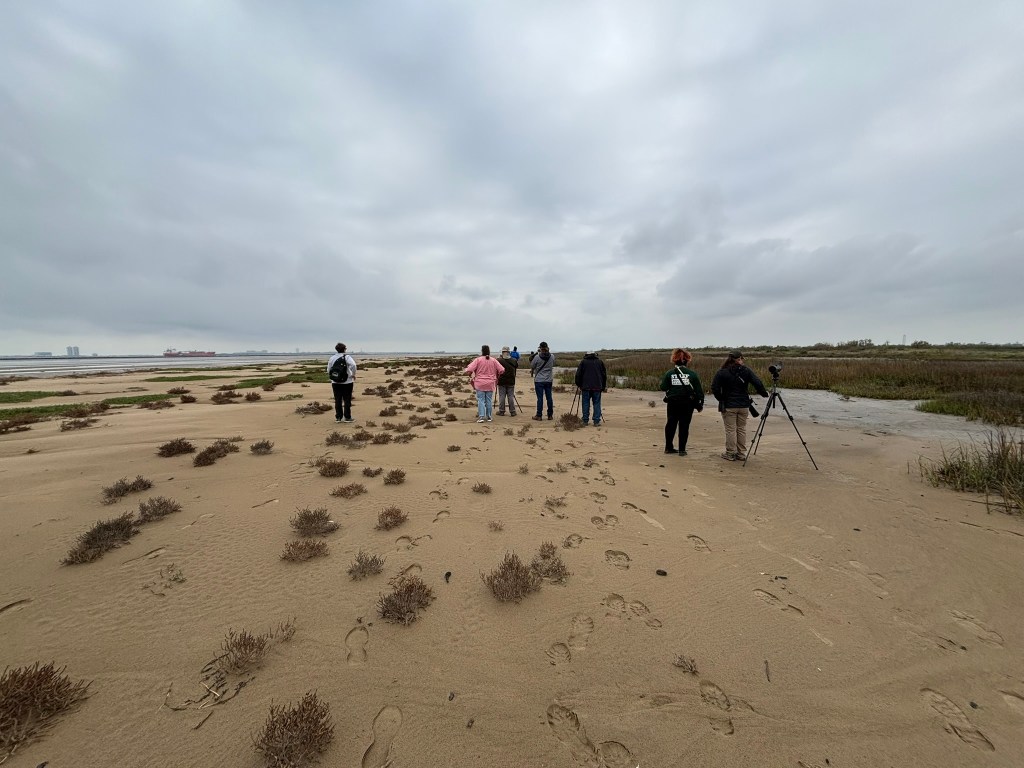
Bolivar Flats Shorebird Sanctuary
Bolivar Flats is one of the best shorebird sites in the United States and is only a short drive away [7][10]. Plan your visit around the tide. Rising tides push birds closer and concentrate them for easier viewing. You can expect plovers, sandpipers, godwits, dowitchers, and many more [7][10].
Jocelyn Nungaray National Wildlife Refuge (formerly Anahuac National Wildlife Refuge)
The refuge, formerly known as Anahuac National Wildlife Refuge, has been officially renamed Jocelyn Nungaray National Wildlife Refuge [11][12][13].
Jocelyn Nungaray NWR offers a different kind of birding. You will find freshwater marshes, waterfowl, rails, and raptors [11]. It is a nice contrast to the coastal woods of High Island and a great place to stop if the woods are quiet.
How to Maximize Your High Island Trip
- Watch the weather. Cold fronts and storms are your best friends. On strong south wind days, shift more of your time to the rookery or shorebirds [1][5].
- Stay flexible. Mornings are not always best here, so be ready to change your plan if the birds are not cooperating early [1].
- Mix your habitats. Do not stick to one sanctuary. Shorebirds, woodland migrants, and rookery birds all peak under different conditions [1][7].
- Respect the space. Many of these birds are exhausted. Stay on trails, keep your voice down, and do not flush birds for photographs [1][7].
Final Thoughts: Why High Island Is Worth It
High Island is wild, intense, and unforgettable. Some days are slow and quiet, and others feel almost unreal in their level of activity [1][4]. You might walk into a sanctuary and see nothing for an hour, then suddenly find yourself surrounded by warblers dropping in all around you.
Whether you are a lifelong birder, a new enthusiast, or a photographer chasing moments that rarely repeat themselves, High Island delivers. It is a place where you witness not just birds, but resilience, instinct, and the raw beauty of migration at its most visible [1][5].
Pack your gear, watch the wind, and go see it for yourself.
References
[1] Houston AuduBlog. (2025, February 21). Your pre-spring guide to birding High Island. https://houstonaudublog.org/2025/02/21/your-pre-spring-guide-to-birding-high-island/
[2] BirdNote. (2025, April 22). High Island – Migration on the Gulf. https://www.birdnote.org/podcasts/birdnote-daily/high-island-migration-gulf
[3] Los Angeles Times. (2019, April 4). Texas’ High Island beckons bird watchers. https://www.latimes.com/travel/la-trw-texas29-2009mar29-story.html
[4] The Accidental Birder. (2021, May 1). Migrating Warblers – Fallout at High Island, Texas. https://theaccidentalbirder.com/2021/05/01/migrating-warblers-fallout-at-high-island-texas/
[5] The Accidental Birder. (2018, May 26). Fallout. A birding Nirvana. https://theaccidentalbirder.com/2018/05/26/fallout-a-birding-nirvana/
[6] Whit’s Wilderness. (2015, February 4). That Time I Turned into a Birder at High Island, TX. https://whitswilderness.com/2015/02/birding-at-high-island-texas/
[7] Vent Bird. High Island Migration 1. https://ventbird.com/tours/high-island-migration1
[8] Houston Audubon High Island Sanctuaries – Facebook. (2026, February 24). High Island patch announcement. https://www.facebook.com/highislandtx/posts/137
[9] Houston Audubon – Facebook. (2026, February 16). High Island patch tradition. https://www.facebook.com/houstonaudubon/posts/9
[10] Texas Highways. Texas Spring Brings a Bounty of Birds. https://texashighways.com/travel/texas-spring-brings-a-bounty-of-birds/
[11] U.S. Fish and Wildlife Service. (2025, March 3). Jocelyn Nungaray National Wildlife Refuge. https://www.fws.gov/refuge/jocelyn-nungaray
[12] Office of the Texas Governor. (2025, April 23). Governor Abbott Joins Secretary Burgum At Jocelyn Nungaray National Wildlife Refuge Renaming Ceremony. https://gov.texas.gov/news/post/governor-abbott-joins-secretary-burgum-at-jocelyn-nungaray-national-wildlife-refuge-renaming-cer [13] FOX 26 Houston. (2025, April 24). Jocelyn Nungaray National Wildlife Refuge renaming ceremony held. https://www.fox26houston.com/news/houston-jocelyn-nungaray-national-wildlife-refuge-renaming-ceremony-anahuac
 Houston AuduBlog