By Jesi Malowitz, Membership and Event Coordinator That’s a wrap! We met 97% of our $50,000 fundraising goal with $48,684.98 raised by our awesome Birdathon fundraisers! The teams’ hard work birding and fundraising really blew us away and we are so grateful to have such amazing supporters of Houston Audubon. Our awards celebration at the […]
Northern Rough-winged Swallow (Stelgidopteryx serripennis) Family: Hirundinidae By Will McDaniel, former Houston Audubon Coastal Conservation Technician The Northern Rough-winged Swallow is a small species ranging from 5 to 6 inches in length and a wingspan of 11 to 12 inches. Sharing the small head, tiny bill, and long pointed wings of other swallow species, these […]
Black Tern (Chlidonias nigera) Family: Laridae The Black Tern is probably the most aesthetically unique of the terns found in North America. While in breeding plumage the Black Tern has a fully black head, breast, and belly with gray wings and a small slender bill. In the non-breeding season this tern undergoes a significant plumage […]
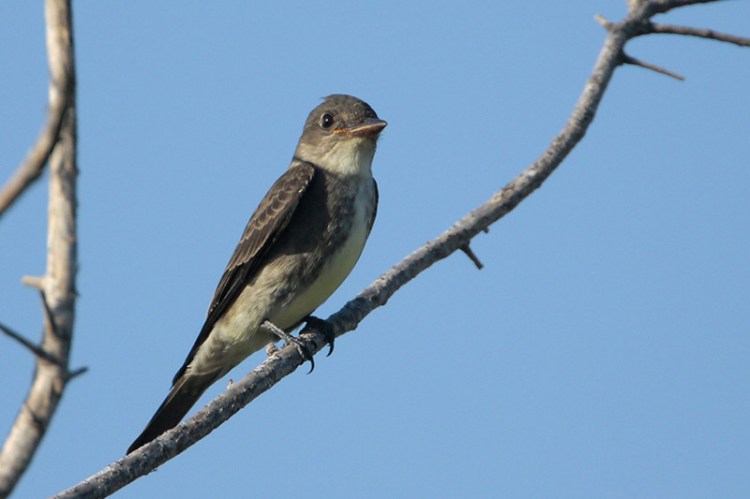
Olive-sided Flycatcher (Contopus cooperi) Family: Tyrannidae By Jon Piasecki, Houston Audubon Conservation Technician Olive-sided Flycatchers are one of the many species of flycatchers that can be found in the western hemisphere. This species winters in the northern half of South America and parts of Central America. During migration, these birds can be seen primarily throughout […]
Tennessee Warbler (Leiothlypis peregrina) Family: Parulidae By Carrie Chapin, Houston Audubon Conservation Technician The Tennessee Warbler is one of the many species to pass through the Upper Texas Coast during spring migration. This warbler was named because the first cataloged specimen was collected in Tennessee, but that is only one of the many states this […]
Buff-breasted Sandpiper (Calidris subruficollis) Family: Scolopacidae By Jon Piasecki, Houston Audubon Conservation Technician Buff-breasted Sandpipers have one of the longest migration journeys of any bird in North America. This species winters in the southeastern region of South America and breeds in the High Arctic around the northernmost parts of Alaska and Canada. Buff-breasted Sandpipers are […]
Hooded Oriole (Icterus cucullatus) Family: Icteridae By Carrie Chapin, Houston Audubon Conservation Technician A rare visitor to the eastern Texas coast, a Hooded Oriole was recently photographed in Boy Scout Woods Bird Sanctuary in High Island! Only staying for part of a day, this individual was one of the billions of birds that pass through […]
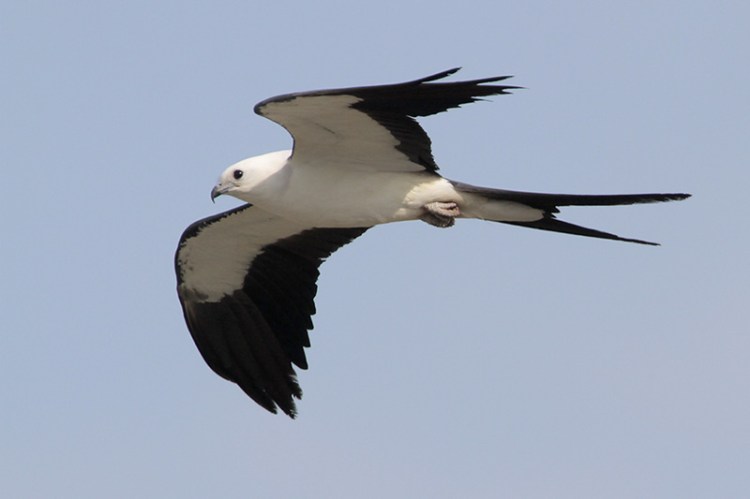
Swallow-tailed Kite (Elanoides forficatus) Family: Accipitridae By Jon Piasecki, Houston Audubon Conservation Technician The Swallow-tailed Kite is one of the most beautiful and unique birds that can be seen in North America. This species is present year-round through much of South America and can only be seen in the United States during the migration and […]
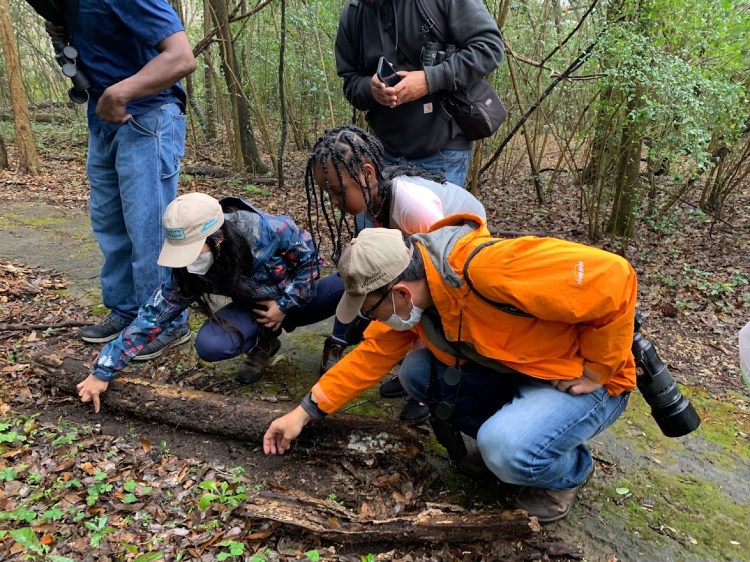
By Amber Leung, Houston Audubon Staff Naturalist & Educator City Nature Challenge is an annual international bioblitz where cities engage in a friendly competition to see who can gather the most observations of nature, find the most species, and engage the most people. This is a 2-part event that starts with an observation period (April […]
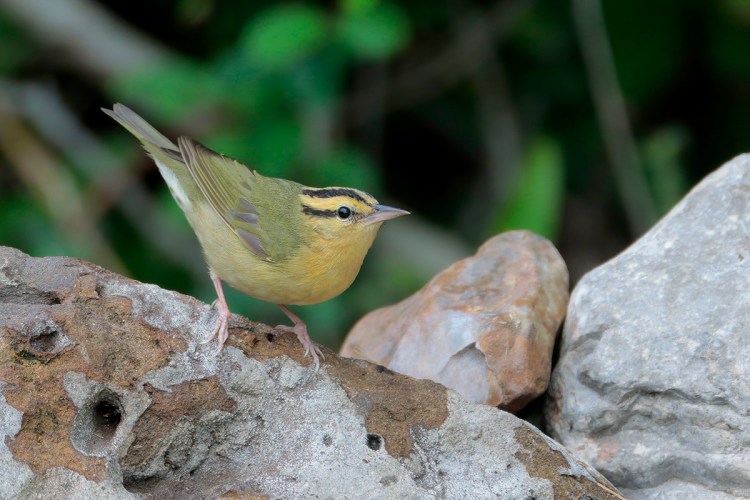
Worm-eating Warbler (Helmitheros vermivorum) Family: Parulidae By Carrie Chapin, Houston Audubon Conservation Technician One member of the great menagerie of warblers to visit the Texas coast during spring migration is the secretive Worm-eating Warbler. Previously placed in the same genus as Swainson’s Warbler, this small passerine frequents forest understories and can be difficult to find […]