✏️ By Anna Vallery, Houston Audubon Conservation Specialist, Bird-Friendly Communities Program Manager While you’re still hanging out by the pool and enjoying summer BBQs, many migratory birds are wrapping up their breeding seasons and getting ready to fly south for the winter. Fall migration kicks into gear in mid-August and continues all the way into November, […]
✏️ By Ryan Call, Houston Audubon Young Professionals Advisory Council 2021 Turkey Vulture (Cathartes aura) Family: Cathartidae A hardy, adaptive bird, the Turkey Vulture thrives in the Houston area and beyond. It’s a bird you can often see high above the terrain, its wings upswept in a shallow dihedral, the bird rocking back and forth […]
✏️ By Anna Vallery, Conservation Specialist, Houston Audubon It is the last week of Plastic Free July, so most participants are now pros at identifying single-use plastic items in their life that can be replaced or avoided. To round-out the month, we wanted to share a few tips that Houston Audubon staff felt helped them […]
By Ryan Call, Houston Audubon Young Professionals Advisory Council 2021 Roseate Spoonbill (Platalea ajaja) Family: Threskiornithidae Being married to a non-birder, I strive to make birding as easy and as convenient as possible for my family. I’m not always successful, of course—I sometimes return too late from a long day of birding or dally a […]
By Ryan Call, Houston Audubon Young Professionals Advisory Council 2021 Reddish Egret (Egretta rufescens) Family: Ardeida Throughout coastal flats, saltmarshes, tidal ponds, and lagoons, the Reddish Egret excitedly forages for prey—primarily fish—accomplishing what many birders call a “drunken dance.” The bird hunts shallow water, lurching back and forth, half-jumping and half-marching, its wings half-extended or […]
Great Crested Flycatcher (Myiarchus crinitus) Family: Tyrannidae The Great Crested Flycatcher is a large perching bird in the large and diverse family of tyrant flycatchers. This bird is distinguished by its bright yellow belly and under-tail coverts (bottom of tail), dull white throat and namesake head crest. Although not extremely inconspicuous the Great Crested Flycatcher […]
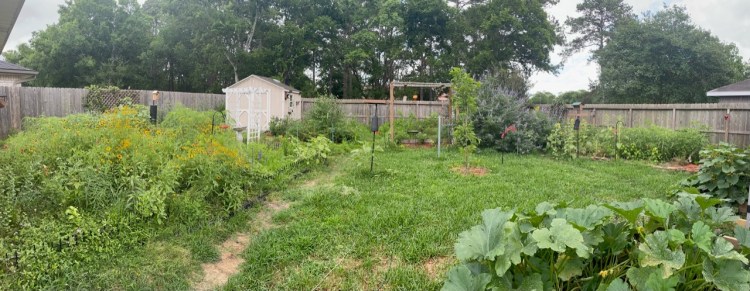
Chris Bick, Houston Audubon Young Professionals Advisory Council 2021 Three years ago, I wanted to create a vegetable garden consisting of cucumbers, tomatoes, and zucchini. I created a small planting box in the center of my cookie-cutter backyard that was 100% St. Augustine grass. I would spend roughly an hour each day just checking on […]
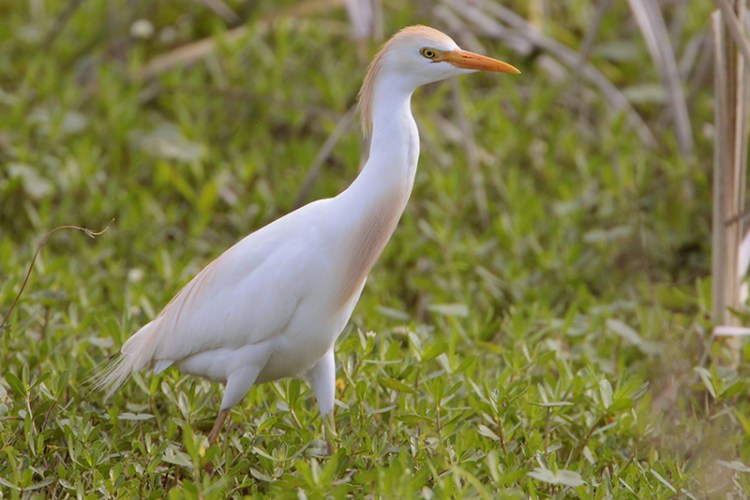
Cattle Egret (Bulbulcus ibis) Family: Ardeidae The stout white Cattle Egret is most often seen in fields rather than shallow water with other herons and egrets. It prefers to follow grazing cattle (hence the name) as well as tractors and mowers, snatching up small lizards and insects that scatter after the disturbance. The Cattle Egret […]
We’re already deep into summer activities, especially in this Texas heat! Many of us have flocked to nearby beaches to escape the heat and enjoy the season. With the 4th of July (and another four months of Texas summer) ahead of us, though, we wanted to take an opportunity to remind you to be a […]
Eastern Meadowlark (Sturnella magna) Family: Icteridae The Eastern Meadowlark’s bright song is a familiar sound throughout open grasslands of eastern North America. They are commonly seen singing from fence posts, telephone wires, and shrubs. Eastern Meadowlarks can easily be identified by their brilliant yellow chests and dark v-shaped collar. These colors are slightly duller in the […]