Tennessee Warbler (Leiothlypis peregrina) Family: Parulidae By Carrie Chapin, Houston Audubon Conservation Technician The Tennessee Warbler is one of the many species to pass through the Upper Texas Coast during spring migration. This warbler was named because the first cataloged specimen was collected in Tennessee, but that is only one of the many states this […]
Buff-breasted Sandpiper (Calidris subruficollis) Family: Scolopacidae By Jon Piasecki, Houston Audubon Conservation Technician Buff-breasted Sandpipers have one of the longest migration journeys of any bird in North America. This species winters in the southeastern region of South America and breeds in the High Arctic around the northernmost parts of Alaska and Canada. Buff-breasted Sandpipers are […]
Hooded Oriole (Icterus cucullatus) Family: Icteridae By Carrie Chapin, Houston Audubon Conservation Technician A rare visitor to the eastern Texas coast, a Hooded Oriole was recently photographed in Boy Scout Woods Bird Sanctuary in High Island! Only staying for part of a day, this individual was one of the billions of birds that pass through […]
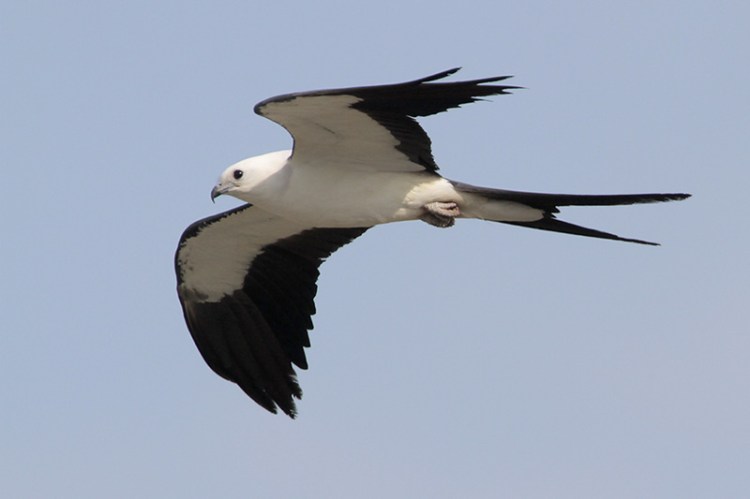
Swallow-tailed Kite (Elanoides forficatus) Family: Accipitridae By Jon Piasecki, Houston Audubon Conservation Technician The Swallow-tailed Kite is one of the most beautiful and unique birds that can be seen in North America. This species is present year-round through much of South America and can only be seen in the United States during the migration and […]
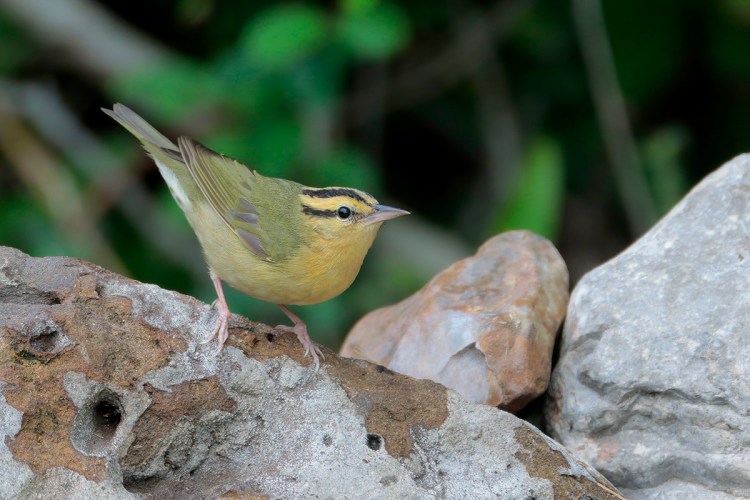
Worm-eating Warbler (Helmitheros vermivorum) Family: Parulidae By Carrie Chapin, Houston Audubon Conservation Technician One member of the great menagerie of warblers to visit the Texas coast during spring migration is the secretive Worm-eating Warbler. Previously placed in the same genus as Swainson’s Warbler, this small passerine frequents forest understories and can be difficult to find […]
Northern Parula (Setophaga americana) Family: Parulidae By Jon Piasecki, Houston Audubon Conservation Technician The Northern Parula is a tiny species of warbler that can be seen throughout the eastern half of the United States during the migration and breeding seasons. Adults have beautiful blue-gray wings, head and back, white eye-arcs, a greenish back patch and […]
Common Tern (Sterna hirundo) Family: Laridae By Carrie Chapin, Houston Audubon Conservation Technician Common Terns are a fairly regular sight along the Upper Texas Coast as they migrate through in the spring and fall. Their numbers here peak in April and October, but a few individuals stick around during summer. One of the medium-sized terns, […]
Sandhill Crane (Antigone canadensis) Family: Gruidae By Jon Piasecki, Houston Audubon Conservation Technician Sandhill Cranes are the smaller of the two species of crane native to North America. This species looks similar to their relative, the Whooping Crane, but are much more abundant. In fact, Sandhill Crane populations have been growing by nearly 4% each […]
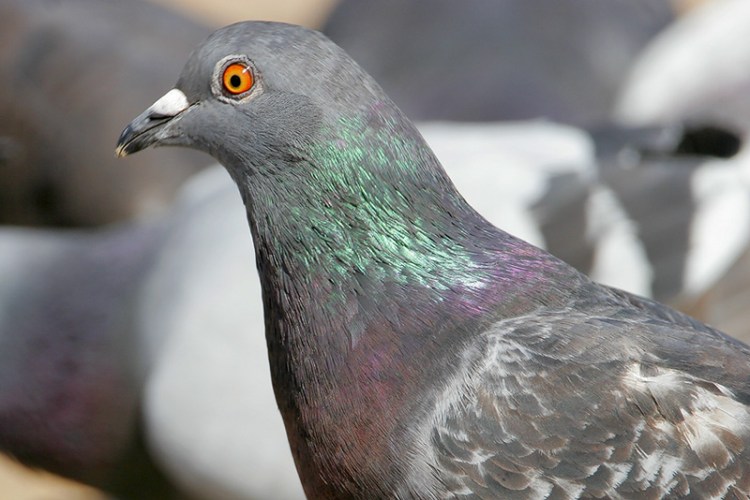
Rock Pigeon (Columba livia) Family: Columbidae By Carrie Chapin, Houston Audubon Conservation Technician This week’s Beak of the Week focuses on the Rock Pigeon, a species often scoffed at by birders and city-goers alike. The Rock Pigeon is a charismatic, cosmopolitan species known to almost everyone due to its strong presence in pop culture and […]
Vermilion Flycatcher (Pyrocephalus rubinus) Family: Tyrannidae By Jon Piasecki, Houston Audubon Conservation Technician Vermilion Flycatchers are a beautiful species that stand out in their natural habitat. Adult males have a remarkably vibrant red crown, throat, and belly with black wings, back and eye patch. Females tend to be brown/gray with a white breast and red-orange […]





 Houston AuduBlog