Black-throated Green Warbler (Setophaga virens) Family: Parulidae (New World Warblers) By Rachel Myers, Houston Audubon Coastal Conservation Technician The Black-throated Green Warbler is one of the many species of warblers that migrate through the Upper Texas Coast and can be seen during spring migration. They can be seen in the area from March through May […]
Cerulean Warbler (Setophaga cerulea) Family: Parulidae By Grace Yaros, Houston Audubon Coastal Conservation Technician Cerulean Warblers are small, dashing warblers. Males are sky-blue above, and white underneath with a thin blue “necklace” and streaking on the sides. Females are similar but are green-blue above and their underparts have a faint yellow wash. Females also lack […]
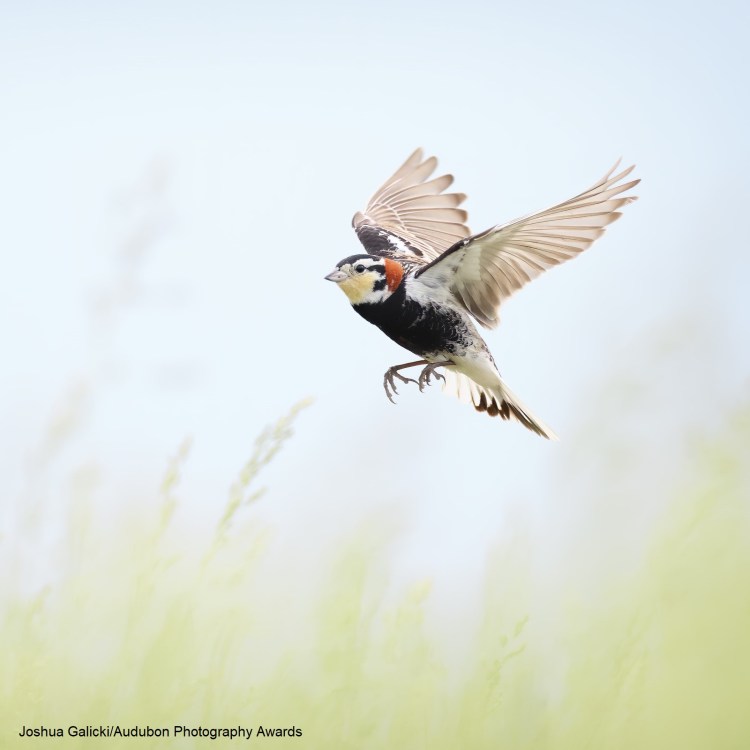
Chestnut-collared Longspur (Calcarius ornatus) Family: Calcariidae (Longspurs and Snow Buntings) By Rachel Myers, Houston Audubon Coastal Conservation Technician The Chestnut-collared Longspur is a common passerine of North America’s shortgrass prairies, rangelands, and desert grasslands. They are rarely seen on the Upper Texas Coast but one has shown up on the Bolivar Peninsula! These birds are […]
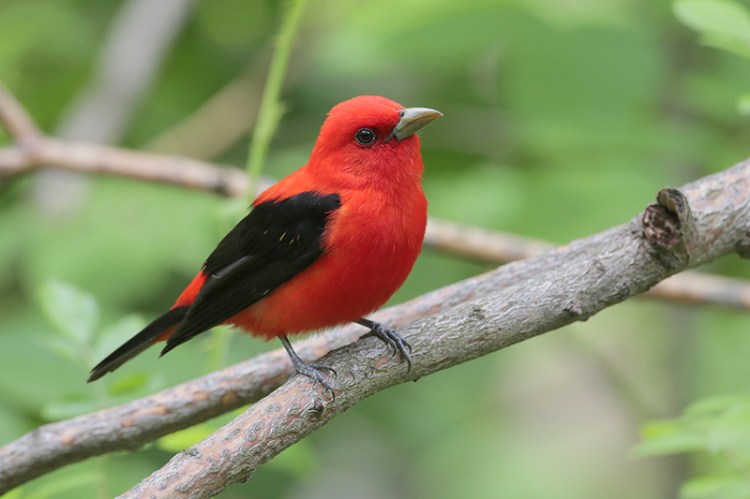
Scarlet Tanager (Piranga olivacea) Family: Cardinalidae By Grace Yaros, Houston Audubon Coastal Conservation Technician With their dazzlingly bright plumage, Scarlet Tanagers are distinctive summertime residents of eastern deciduous forests. During the breeding season, adult males have brilliant red bodies and black wings and tails. Females are yellow, with darker olive wings and tails. Immature males […]
White Ibis (Eudocimus albus) Family: Threskiornithidae (Ibises and Spoonbills) By Rachel Myers, Houston Audubon Coastal Conservation Technician The White Ibis is an easy to recognize resident on the upper Texas coast. They are often found in groups in wetlands and estuaries across the southeastern United States. White Ibises occur year round in our area and […]
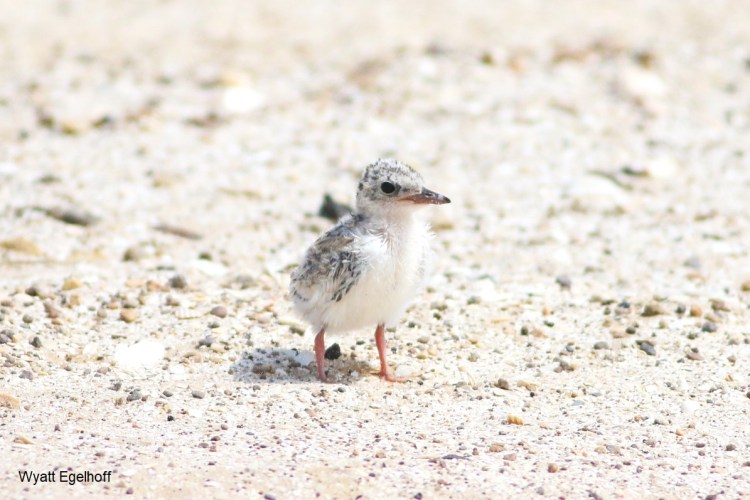
By Rachel Myers, Grace Yaros, Wyatt Egelhoff Spring has sprung on the Upper Texas Coast (UTC), bringing with it the return of our beach-nesting birds! From March through August, fencing is placed around the dunes and beaches where these birds raise their chicks to protect them from disturbance. Houston Audubon, American Bird Conservancy, and other […]
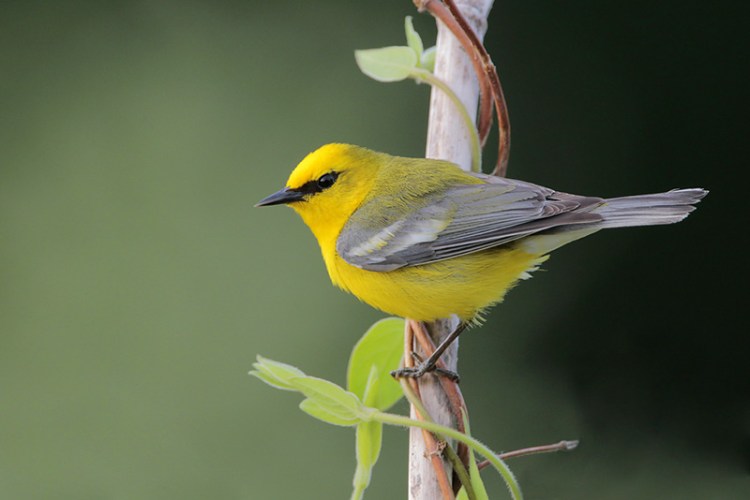
Blue-winged Warbler (Vermivora cyanoptera) Family: Parulidae By Grace Yaros, Houston Audubon Coastal Conservation Technician Blue-winged Warblers are small, dashing warblers; males have brilliant yellow faces and underparts with greenish backs and light blue-gray wings, two contrasting white wing-bars, and a thick black eye-line. Females are very similar to males, but have more green coloration in […]
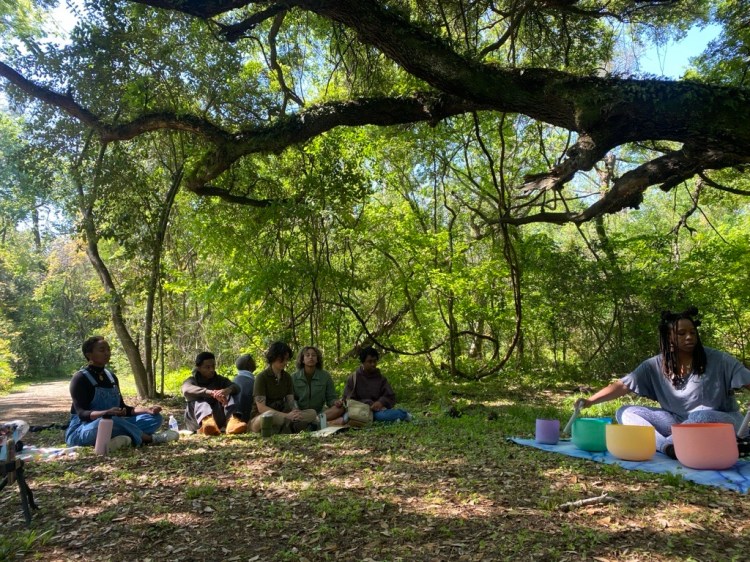
By Zoe Gapayao, Community Outreach Manager The 4-part Witness Series is a springtime event that is artist-led, nature-centered, and community-driven. For the past three years, we’ve explored together the experiences that communities of color have in the land of southeast Texas. Artist Kristi Rangel co-curates the series, partnering with artists from Native American, African American, […]
Wood Thrush (Hylocichla mustelina) Family: Turdidae (thrushes) By Rachel Myers, Houston Audubon Coastal Conservation Technician The Wood Thrush is a reclusive songbird whose iconic musical, flute-like song can be heard throughout deciduous forests across the Eastern United States in the summer. Wood Thrushes are more common in the spring and fall on the Upper Texas […]
Blue-headed Vireo (Vireo solitarius) Family: Vireonidae By Grace Yaros, Houston Audubon Coastal Conservation Technician Blue-headed Vireos are small, colorful songbirds that can commonly be found along the Upper Texas Coast during winter and migration. Aptly named, they have steely blue-gray heads that contrast with their greenish backs and yellow sides. They are white underneath, and […]





 Houston AuduBlog