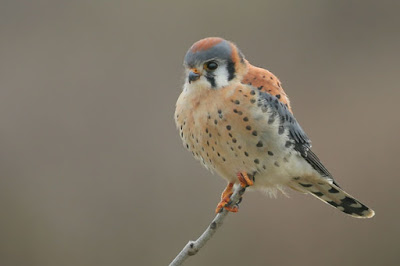
American Kestrel (Falco sparverius) Family: Falconiformes The American Kestrel is the smallest yet most numerous and colorful of the North American falcons. It was once referred to as the sparrow hawk because of its small size and its occasional sparrow snack. Unlike many raptors, which may prove difficult distinguishing male and females, it is quite […]
Yellow Warbler (Setophaga petechia) Family: Parulidae The Yellow Warbler is a small songbird with medium-length tails and a round head. The bill is relatively large for a warbler species. Males are a bright yellow with reddish streaks on its underside. Both males and females have yellow patches on their tail. Their face is unmarked, allowing […]
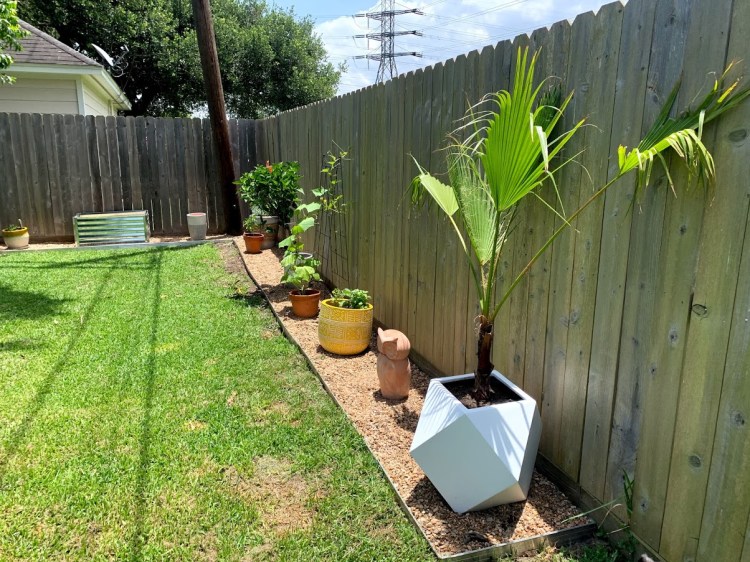
By Catherine Lee Clarke, Houston Audubon 2021 Young Professionals Advisory Council (YPAC) I live in the southwest Houston neighborhood of Willow Meadows. We have a typical lot for the area, about 9,500 square feet, with about 2,500 square feet of backyard. There was a mature pecan tree along with a fig tree, citrus trees, a […]
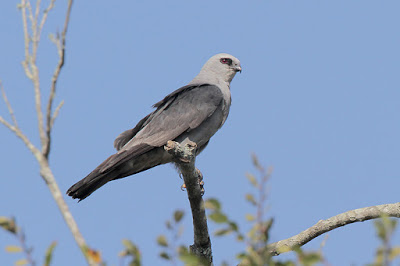
Mississippi Kite (Ictinia mississippiensis) Family: Accipitridae Mississippi Kites arrive in spring from their winter homes deep in South America. A medium-sized hawk, the Mississippi Kite has long, narrow, pointed wings and a long black tail. The back is dark gray while the breast and belly are almost white. The head is pearly gray with a […]
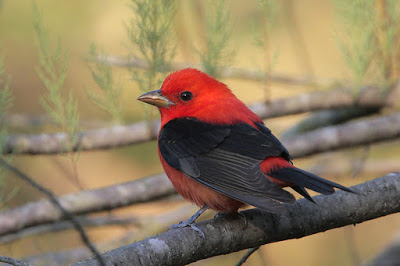
Scarlet Tanager (Piranga olivacea) Family: Cardinalidae The breeding Scarlet Tanager male is one of the most brilliantly colored birds that you may encounter during migration. In spring and summer, the males are scarlet red with jet black wings and tail. Females and fall immatures are olive-yellow with darker olive wings and tails. After breeding, adult […]
Backyards across the United States have had an unusually high number of small, heavily striped finches, known as Pine Siskins, making a recent appearance. This year’s irruption of Pine Siskins has been one of the largest in recorded history! An irruption typically occurs during periods of food shortage in a species’ home range, causing them […]
Rusty Blackbird (Euphagus carolinus) Family: Icteridae Rusty Blackbirds have been the talk of High Island for the last few weeks, as they are currently being seen in Smith Oaks Sanctuary for the first time. They winter in the Eastern United States and are relatively uncommon in Southern Texas. These birds have a thin, curved bill […]
White-crowned Sparrow (Zonotrichia leucophrys) Family: Passerellidae The White-crowned Sparrow is a light gray sparrow with a brown back and wings, a long tail, orange, conical bill, and black and white striped cap on the head, making them look a little like badgers. White-crowned Sparrows are very selective about the species they allow into their territories. […]
There are many circumstances in which you could find a baby bird who seems to need help, and a lot of the information out there might not be right for your region, the type of bird you have, or the specific circumstances of the bird you found. These directions apply to most birds in North […]
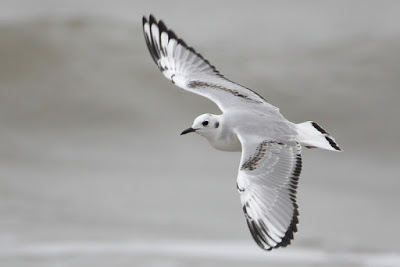
Bonaparte’s Gull (Chroicocephalus philadelphia) Family: Laridae This common gull gets its claim to fame by being the only gull species to nest in trees. On their breeding grounds in the boreal forests of Canada, Bonaparte’s Gulls build their nests of sticks, bark, lichen, and moss on a conifer tree. Gulls typically build ground nests, but […]




 Houston AuduBlog