Prothonotary Warbler (Protonotaria citrea) Family: Parulidae By Theresa Kelly, Houston Audubon Coastal Conservation Technician Like cardinals, this Beak of the Week claims the unusually specific honor of “birds named for Roman Catholic robes of office.” The Prothonotary Warbler’s astounding yellow hue is its most defining feature, leading early ornithologists to name it after the yellow […]
Chuck-will’s-widow (Antrostomus carolinensis) Family: Caprimulgidae By Nick Minnich, Houston Audubon Coastal Conservation Technician Our Beak of the Week is the largest North American member of the nightjar family. Caprimulgidae, colloquially referred to as goatsuckers, get this unusual nickname from a folk belief that the birds would milk goats with their enormous mouths each night as […]
Buff-bellied Hummingbird (Amazilia yucatanensis) Family: Trochilidae By Theresa Kelly, Houston Audubon Coastal Conservation Technician Hummingbird identification can be notoriously difficult, largely due to their small size and plumage similarities between different species. This week’s Beak of the Week, the Buff-bellied Hummingbird, is no exception, though adults possess several characteristics that set them apart from their […]
Cinnamon Teal (Spatula cyanoptera) Family: Anatidae By Theresa Kelly, Houston Audubon Coastal Conservation Technician This week’s Beak of the Week is a stunning one. The Cinnamon Teal is a regular (though not overly common) wintertime visitor to the Houston area, a cheery splash of red floating among the reeds of freshwater ponds. Relatively small overall […]
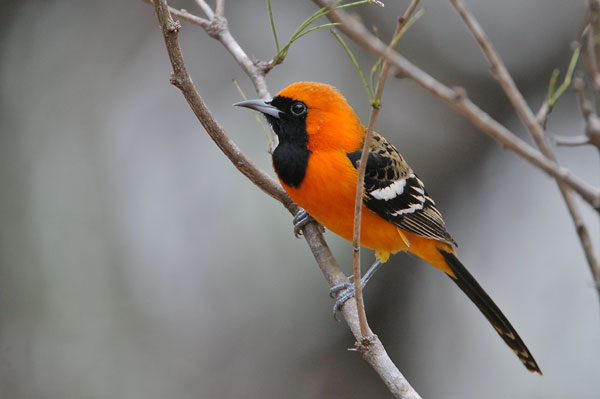
Hooded Oriole (Icterus cucullatus) Family: Icteridae By Charlie Ayers, Houston Audubon Coastal Conservation Technician This week’s Beak of the Week is a flashy Icterid of south Texas, the Hooded Oriole. Hooded Orioles are slender birds with a flame orange body, black wings, a black tail and a black throat patch that extends up to their […]
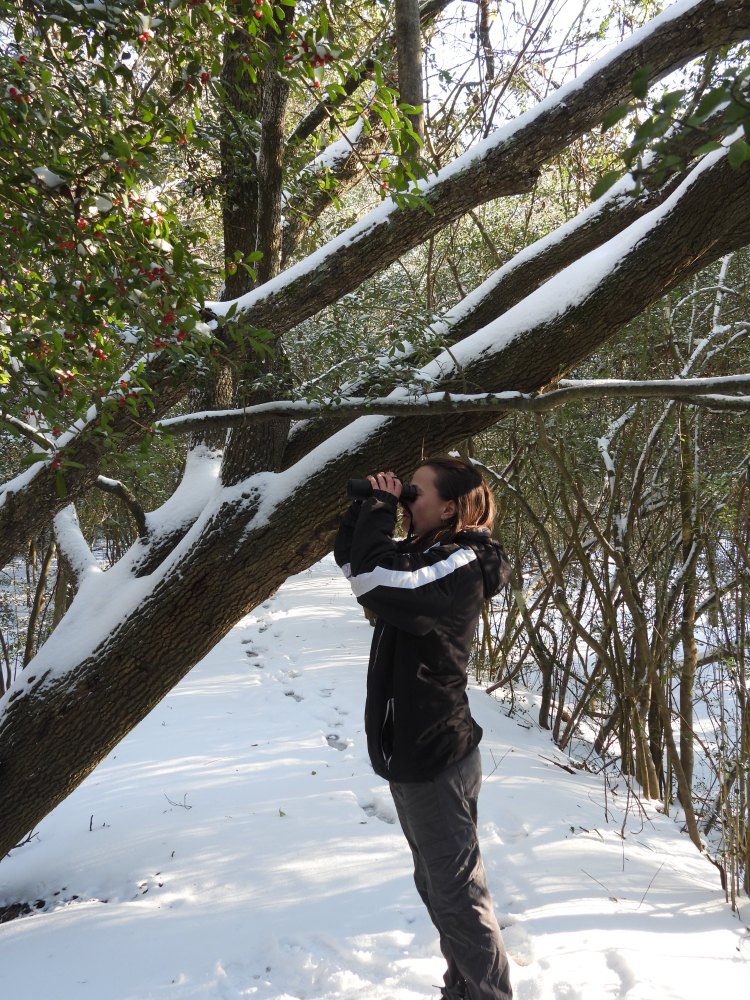
By Theresa Kelly, Houston Audubon Coastal Conservation Technician The best weather for birding can vary heavily based on what you’re looking for. Although wind-driven rain might cause songbirds and waders to hunker down, it tends to push migrating seabirds such as petrels and terns closer to shore, making for great seawatching. Migrants of all orders, […]
By Charlie Ayers, Houston Audubon Coastal Conservation Technician As we are all huddled up in our houses drinking our coffee, tea or hot chocolate, many of us reading this blog post are probably watching the birds at our feeders stuffing their little beaks full of seeds. This brings questions to mind like “how do the […]
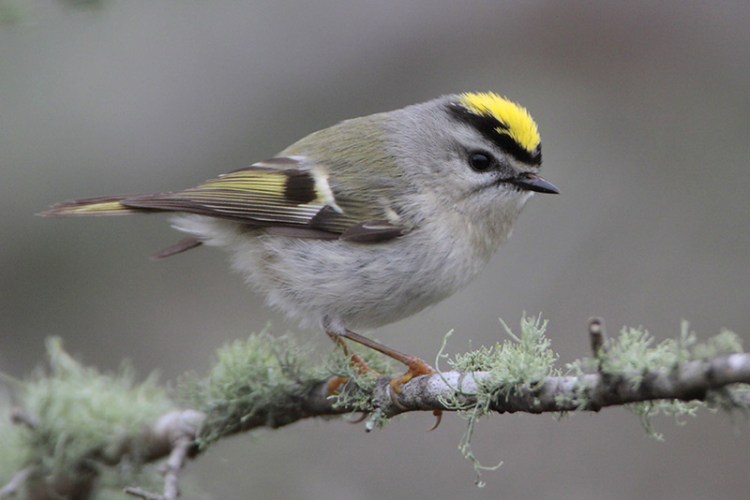
Golden-crowned Kinglet (Regulus satrapa) Family: Regulidae By Theresa Kelly, Houston Audubon Coastal Conservation Technician Despite its tiny size, this week’s Beak of the Week is astoundingly hardy, active, and agile. Golden-crowned Kinglets have a tiny, rounded body, short wings, and a skinny tail. Dull body coloration — pale olive and gray — is offset by […]
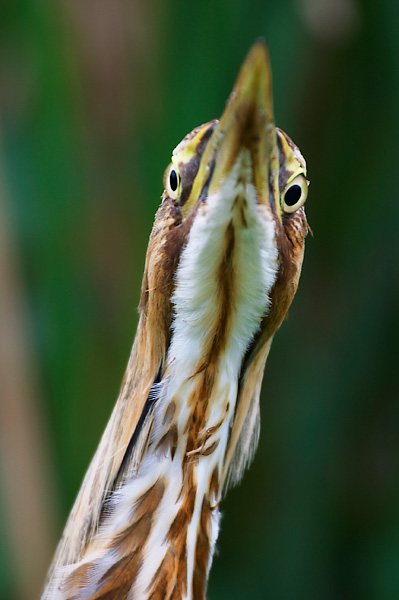
American Bittern (Botaurus lentiginosus) Family: Ardeidae By Charlie Ayers, Houston Audubon Coastal Conservation Technician This week’s Beak of the Week, the American Bittern, is a master of disguise! American Bitterns tend to choose when they are seen rather than being found. With their cryptic, brown, streaky coloration, they materialize right in front of your face […]
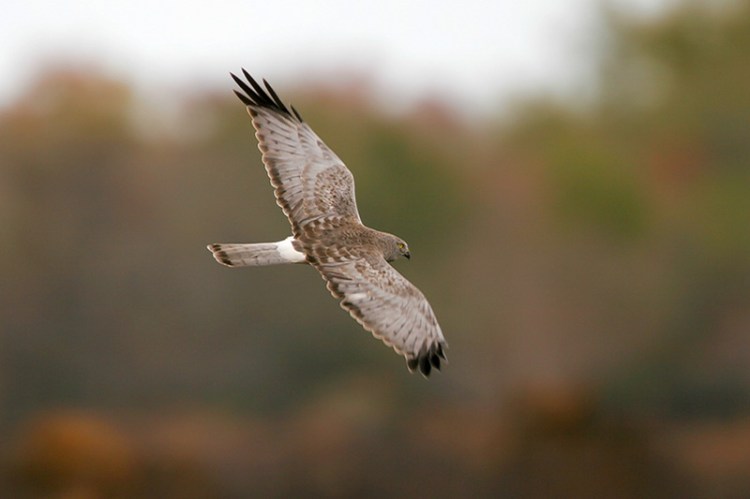
Northern Harrier (Circus hudsonius) Family: Accipitridae By Charlie Ayers, Houston Audubon Coastal Conservation Technician This week’s Beak of the Week, the Northern Harrier, has a small hooked bill that it uses to eat a variety of prey. The Northern Harrier is a medium-sized raptor with broad wings, a long tail and a white rump patch […]



 Houston AuduBlog