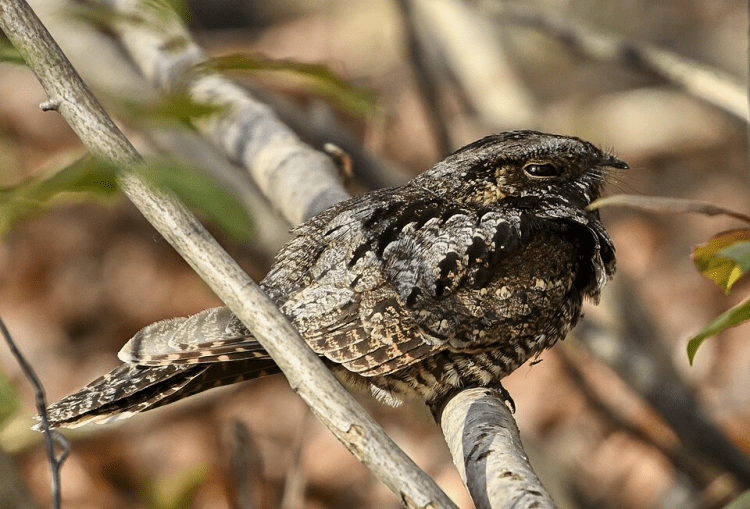
Eastern Whip-poor-will (Antrostomus vociferus) Family: Caprimulgidae By Robert Buckert, Houston Audubon Coastal Conservation Technician Have you ever heard of a goatsucker? How about a nightjar? These odd compound words describe the same birds! Nightjars are a group of cryptically plumaged, nocturnal insectivores, belonging to the family Caprimulgidae. They feature earthen tones of browns, grays, and […]
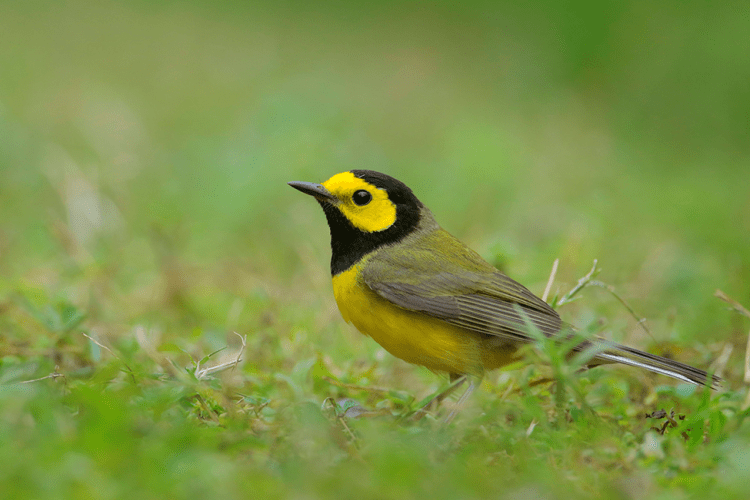
Hooded Warbler (Setophaga citrina) Family: Parulidae By Spencer Poling, Houston Audubon Coastal Conservation Technician The warblers are finally here! The last couple of weeks have been full of excitement and anticipation as the first warblers are starting to trickle in, leading the charge of millions that will be flooding through the country next month. This […]
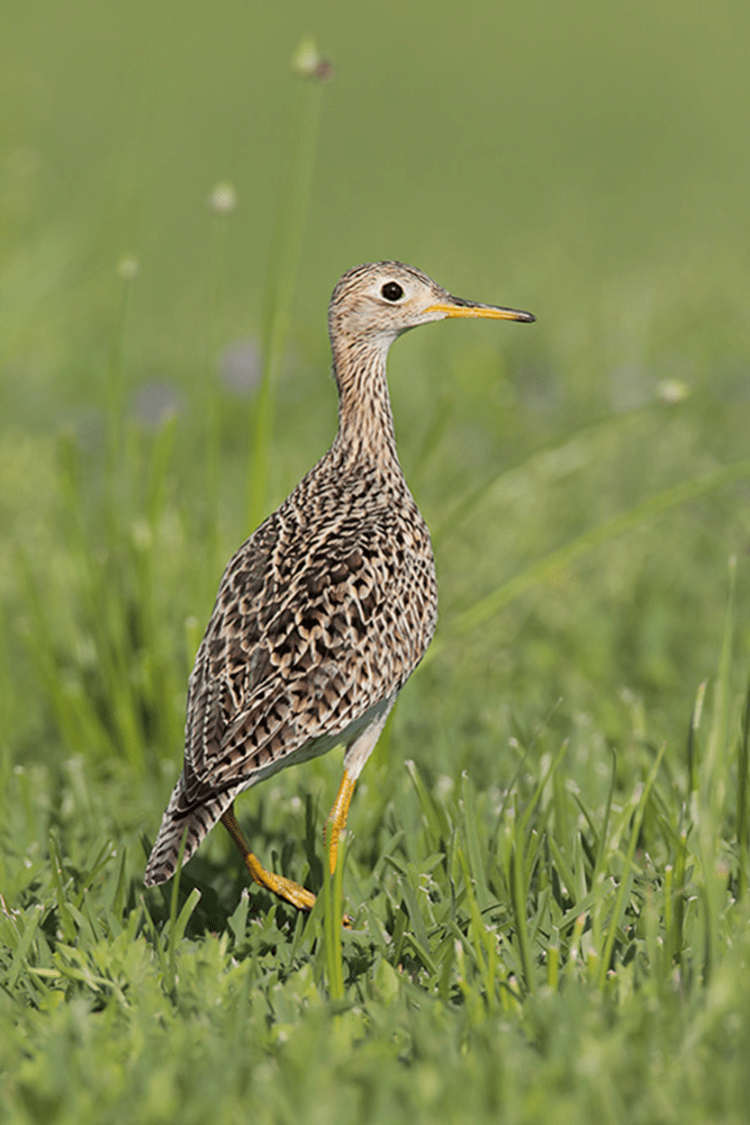
Upland Sandpiper (Bartramia longicauda) Family: Scolopacidae By Robert Buckert, Houston Audubon Coastal Conservation Technician The Upland Sandpiper is a medium-sized shorebird that’s easy to overlook at first glance, but leads a fairly unique life. As a sandpiper that spends its entire life in grassland habitats, it is one of only a few terrestrial shorebirds. Preferring […]
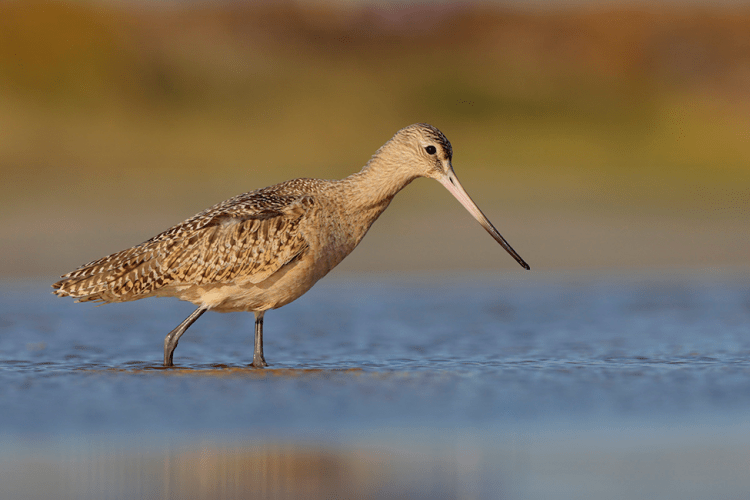
Marbled Godwit (Limosa fedoa) Family: Scolopacidae By Spencer Poling, Houston Audubon Coastal Conservation Technician This week’s Beak of the Week is devoted to one of my personal favorite shorebirds, the Marbled Godwit! This month is the time to see your favorite wintering shorebirds before many of them leave in April, so this would be my […]
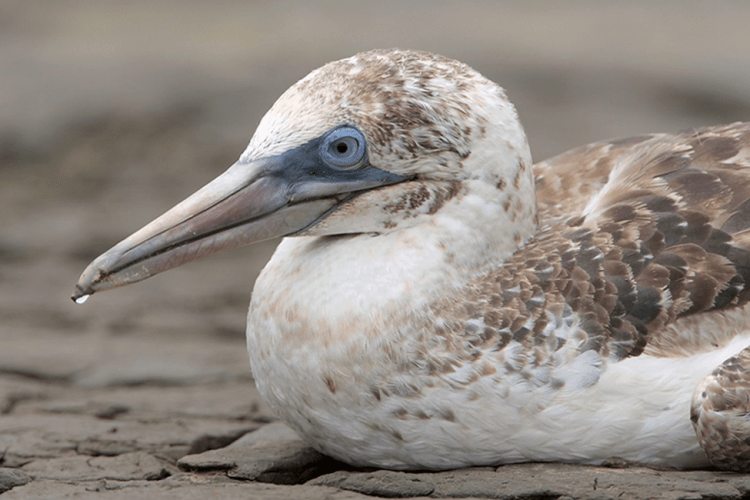
Northern Gannet (Morus bassanus) Family: Sulidae By Robert Buckert, Houston Audubon Coastal Conservation Technician As the temperatures continue to climb and the days grow longer, we all see spring just on the horizon. But let us not forget to turn and appreciate the wintering species of birds one last time, before the trees are dripping […]
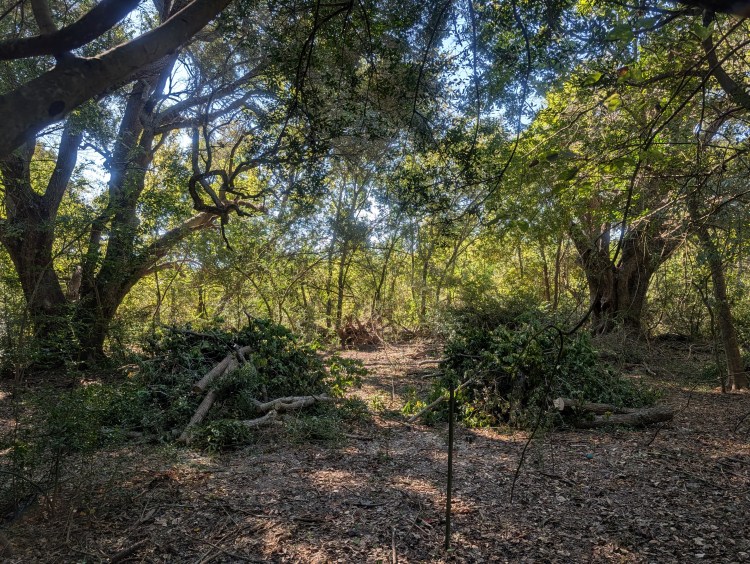
By Spencer Poling, Houston Audubon Coastal Conservation Technician It’s Invasive Species Awareness Week! So, I’d like to take this opportunity to highlight some of the important habitat restoration work we do that keeps our bird sanctuaries full of life. But first, what is an invasive species, and why do they matter at our sanctuaries? Invasive […]
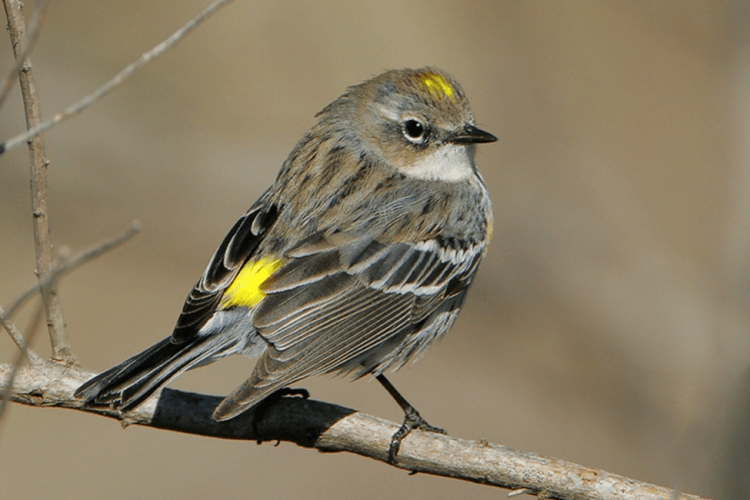
Yellow-rumped Warbler (Setophaga coronata) Family: Parulidae By Spencer Poling, Houston Audubon Coastal Conservation Technician Spring is arriving soon, and that means it’s time to brush up on your warblers! If you’re like me and can’t wait to see them, then you’re in luck—several warbler species that overwinter in the Upper Texas Coast can be seen […]
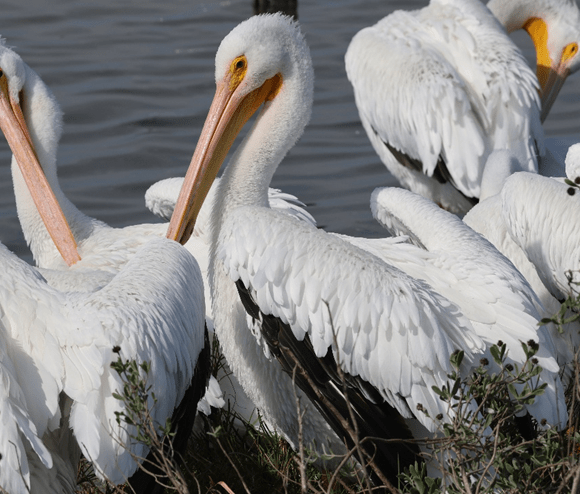
American White Pelican (Pelecanus erythrorhynchos) Family: Pelecanidae By Colleen McDonough, Houston Audubon Coastal Conservation Technician Often seen soaring along coastlines in the wintertime, the American White Pelican has the largest wingspan of any Texas bird. Their hefty, white-feathered bodies, thick orange legs, and long bills set them apart from Brown Pelicans — another common pelican […]
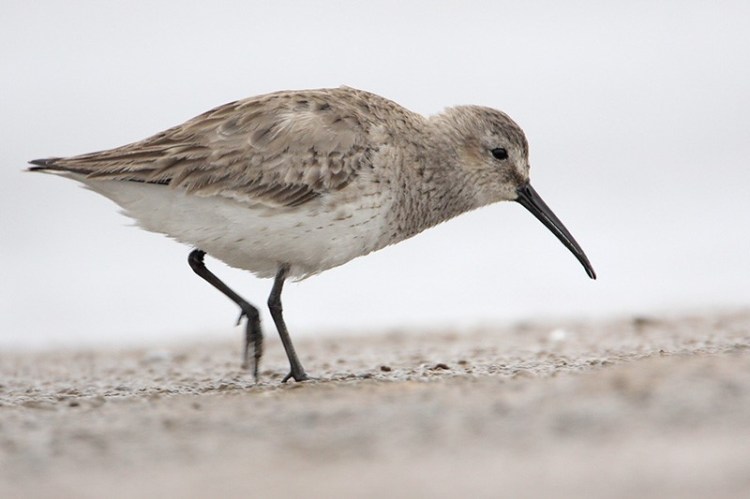
Dunlin (Calidris alpina) Family: Scolopacidae By Robert Buckert, Houston Audubon Coastal Conservation Technician While the Dunlin often blends into the crowd on mudflats, this small shorebird should not be overlooked. Its unique common name is derived from an old English moniker, dunling: “dun” meaning dull brown and “-ling” being a thing with a certain quality, […]
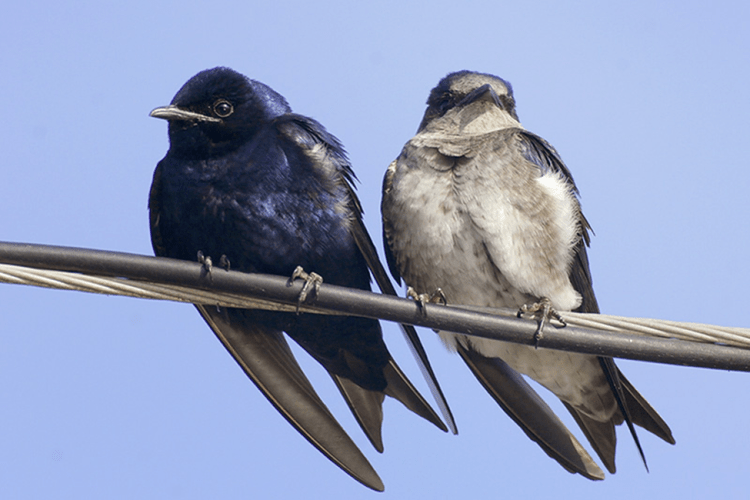
Purple Martin (Progne subis) Family: Hirudinidae By Spencer Poling, Houston Audubon Coastal Conservation Technician As spring is beginning to arrive, so is one of our very first spring migrants, Purple Martins! These swallows are beloved to birders and non-birders alike. They can be found throughout most of the Eastern United States and sporadically throughout the […]

 Houston AuduBlog