

By Schyler Brown, Bird-Friendly Communities Program Manager, Houston Audubon
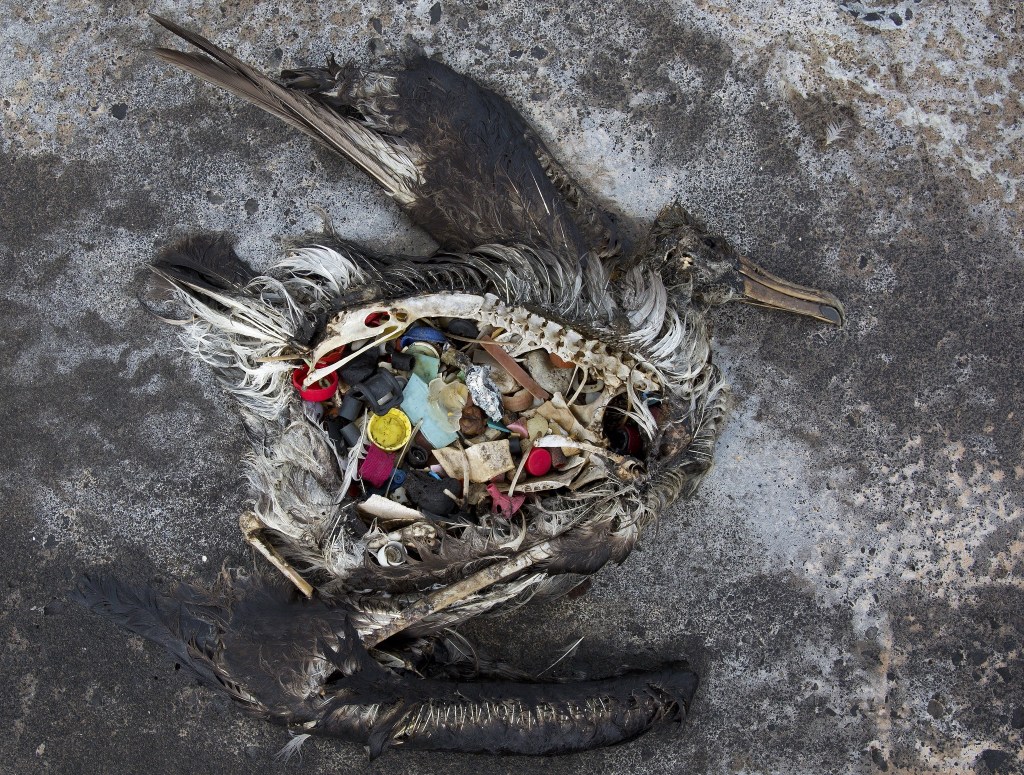
It is Plastic-Free July, which means acknowledging and finding ways to reduce our plastic use and waste. Each week in July, we will be sharing a different kind of plastic pollution and how it impacts birds and wildlife. This week, we are talking about macro-plastics and how they harm wildlife and the environment.
Macro-plastics are plastic wastes that are larger than micro-plastics, including but not limited to cigarettes, straws, foams such as polystyrene, water bottles and bottle caps, plastic bags, and plastic six-pack rings. If you are shocked to learn that your cigarette is made of plastic, it’s true. Most of the filter in your cigarette is made of plastic, and cigarettes make up the majority of macro-plastic pollution, as they are often littered out of car windows.
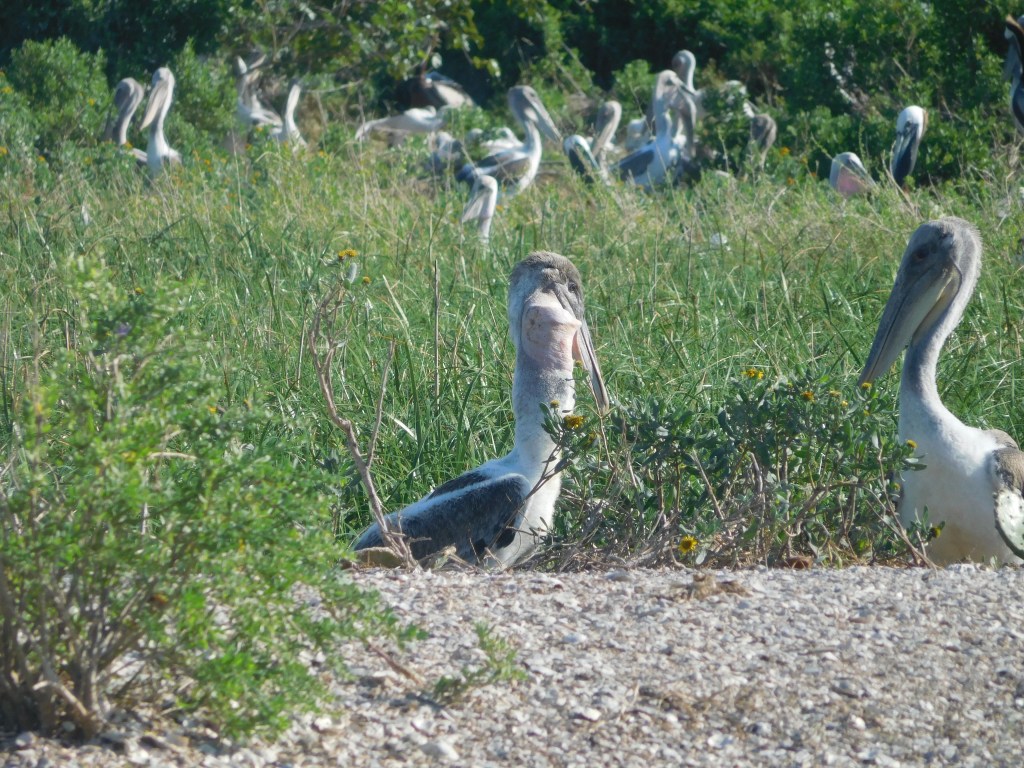
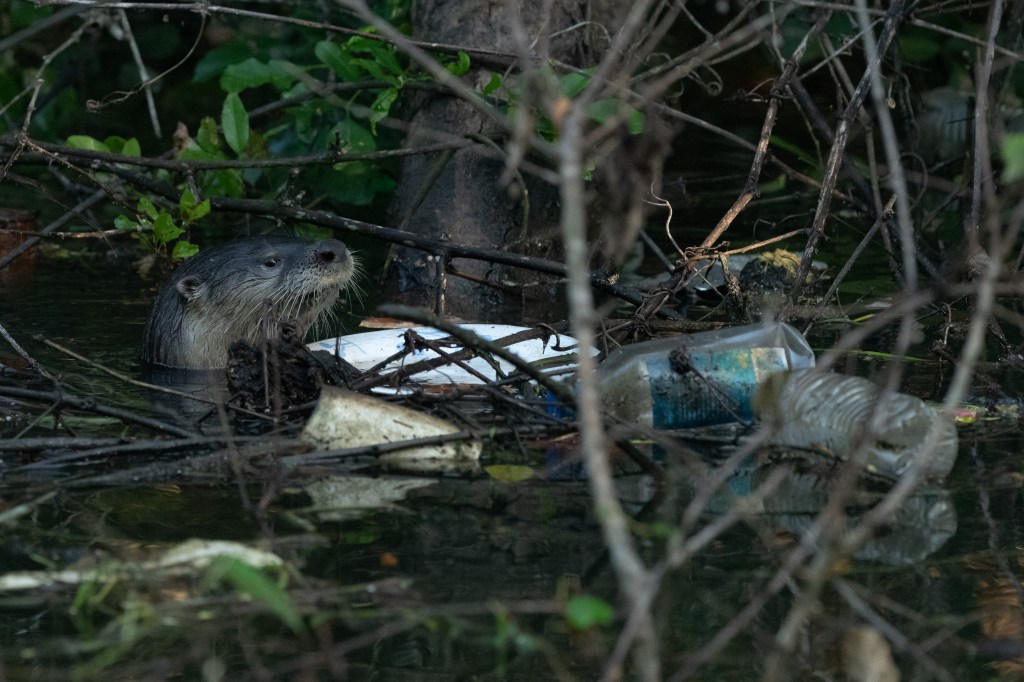
What makes macro-plastics so bad for the environment is that they are an entanglement and choking hazard. Every single day, birds, turtles, otters, fish, and so many other kinds of wildlife show up dead on beaches and rivers because they have been entangled in fishing line, a plastic grocery bag, or a six-pack ring, causing asphyxiation and death. Birds are often found with bags wrapped around their bills, preventing them from feeding and eventually leading to starvation. If plastic isn’t wrapped around the bird’s bill, it could be wrapped around its wings, preventing it from flying, and ultimately making it impossible for the bird to find food, also leading to starvation and death. We get many calls each month from community members in Houston that have found egrets or herons wrapped up in plastic.
Macro-plastics are also an eyesore. When one is trying to experience nature, whether on a hike, a birding trip, fishing, hunting, etc., our experience of the serenity and purity of the Earth is rudely interrupted by the reminder of human filth and apathy as we mistake a plastic bag for a rare bird or flower. Macro-plastics also break down into microplastics, which we will discuss in another blog post. For the purpose of this post, just keep in mind that microplastics cause their own slew of terrible problems for humans and wildlife.
Besides entanglement hazards, macro-plastic pollution can cause starvation when ingested. When someone throws their cigarette out of a window for example, it can end up in the stomach of a wild animal (often birds) and remain indigestible. This ultimately causes starvation since there is no room for real food to be digested or expelled. This frequently happens with polystyrene, as it is often poorly discarded/transported and ends up on the side of the road. Once on the road, it can be crushed into smaller, bite size pieces, ultimately ending up in the stomach of wildlife that cannot digest it.
This may seem like an insurmountable problem, but you can help.
- Call your local representatives and demand stricter plastic regulations, such as a plastic bag fee or plastic product tax, to discourage the purchase of plastics.
- Use less plastic in your own day to day life. Reduce comes first in the classic Reduce, Reuse, Recycle motto for a reason – it is the most effective way to lower your personal impact.
- One way to reduce your plastic consumption is to ask yourself before each purchase if you really need this product or if it’s a want, or consider an alternative.
- Bring your reusable utensils, including reusable water bottle, fork, spoon, and straw.
- Join a litter cleanup in your area. Stopping Plastics and Litter Along Shorelines (or SPLASH) hosts litter cleanups in both Houston and along the coast, and they pick up hundreds of pounds of plastic at each cleanup, leaving our natural environment a little safer for wildlife. Sign up for their newsletter to learn more about when their cleanups are »
- Share the message with your friends, family and community, starting with this blog post!


2 thoughts on “Plastic-Free July: Macro-plastic Pollution”