

By Schyler Brown, Bird-Friendly Communities Program Manager, Houston Audubon
It’s Plastic-Free July, which means acknowledging and finding ways to reduce our plastic use and waste. Each week in July, we shared a different kind of plastic pollution and how it impacts birds and wildlife. In previous weeks, we discussed some of the different kinds of plastic pollution and how they are harmful. This week, on a more positive note, we will talk about some of the incredible strides made in the fight against plastic pollution.
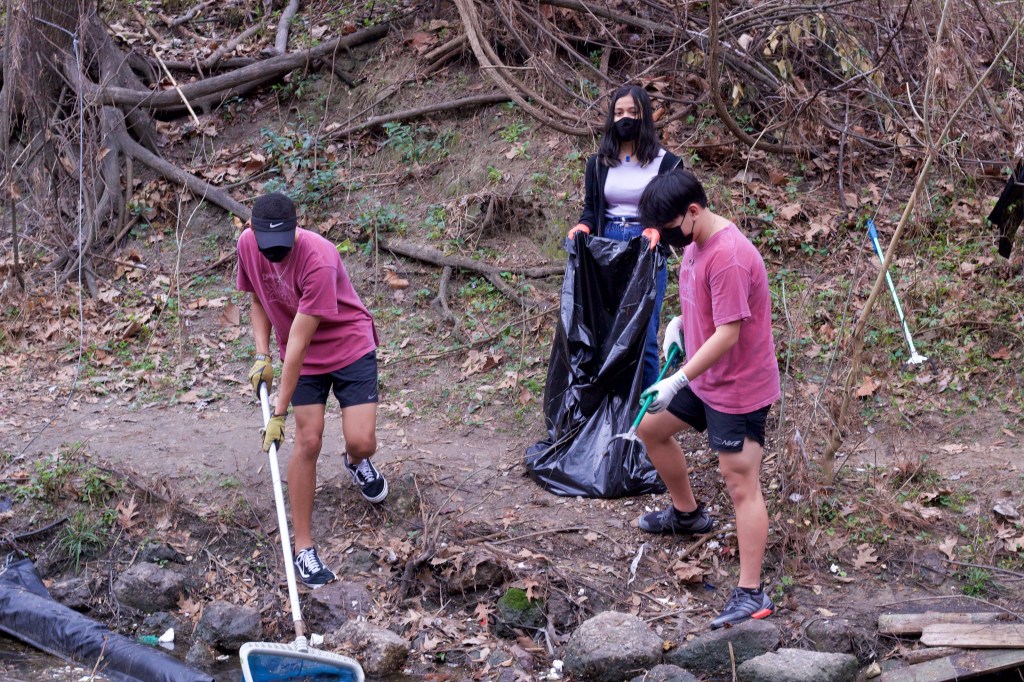
In our first blog post, we shared the problem of macro-plastic pollution and how a lot of micro-plastics come from broken down macro-plastics, as well as how wildlife can suffer asphyxiation and starvation due to strangulation. Fortunately, there are lots of groups working to help solve the problem of macro-plastic pollution. Locally, Buffalo Bayou Partnership has invested in ‘bayou booms’ that catch floating plastics before they reach the ocean. A boom is a long arm-like structure that floats on the water and traps larger trash in the bayou before it reaches the ocean. The boom has the added benefit of allowing fish and other wildlife to swim under it so they don’t get caught in the plastic! On a much larger scale, The Ocean Cleanup has been capturing massive amounts of plastic in the ocean using booms and wildlife-friendly nets. Their goal is to clean up 90% of the plastic in the ocean by 2040! Finally, local conservation organizations such as Houston Audubon host trash cleanups that help to reduce plastics on beaches and waterways before they make it to the ocean and break down into micro-plastics.
Microplastics are extremely difficult to remove from waterways and the terrestrial environment, and ultimately the best solution is to reduce your plastic consumption. Nevertheless, we cannot control what our neighbors do and how their plastic output results in micro-plastic pollution. However, there are groups that are trying to find solutions to the problem of micro-plastic pollution using some very innovative techniques. PolyGone, a company started by a pair of graduate students from Princeton University, has developed a micro-plastics filtration system that is both affordable and safe for wildlife. The floating device called “Plastic Hunter” uses a filtration system that mimics the way plant roots absorb nutrients. The device uses silicone “roots” to capture plastic particles by taking advantage of the chemical properties of the plastics, as they are attracted to the silicone. Another innovative solution that has gained a lot of attention in the last decade is using living organisms that can break down polymers in their digestive system. For example, the International Center of Insect Physiology and Ecology (ICIPE) has found that 50% of polystyrene consumed by a species of mealworm can be broken down. This is due to their gut bacteria, which is able to metabolize some of the plastics. Other researchers are experimenting with fungus and other varieties of bacteria that could help reduce some micro-plastic wastes.
As discussed in a previous post, much of plastic pollution starts in production, including toxic chemicals and the release of greenhouse gasses. Stopping plastic pollution where it starts is another way that companies are trying to help. Many clothing brands, for example, have started using recycled plastics to produce their clothing. Unfortunately, this can be seen as a form of ‘greenwashing’; a technique used by companies to make themselves appear helpful to an environmental problem, when in reality they are trying to make you feel good about buying a product that doesn’t help at all. The reason for this is that the recycled plastics used to produce the article of clothing still have to be processed, which requires tons of toxic chemicals and releases lots of greenhouse gases. Furthermore, the clothing is usually lower quality and breaks down quickly, resulting in more microplastics in the environment, and more landfill waste.

This may seem like an insurmountable problem, but you can help.
- Call your local representatives and demand stricter plastic regulations, such as a plastic bag fee or plastic product tax, to discourage the purchase of plastics.
- Use less plastic in your own day to day life. Reduce comes first in the classic Reduce, Reuse, Recycle motto for a reason – it is the most effective way to lower your personal impact.
- One way to reduce your plastic consumption is to ask yourself before each purchase if you really need this product or if it’s a want, or consider an alternative.
- Bring your reusable utensils, including reusable water bottle, fork, spoon, and straw.
- Join a litter cleanup in your area. Stopping Plastics and Litter Along Shorelines (or SPLASH) hosts litter cleanups in both Houston and along the coast, and they pick up hundreds of pounds of plastic at each cleanup, leaving our natural environment a little safer for wildlife. Sign up for their newsletter to learn more about when their cleanups are »
- Share the message with your friends, family and community, starting with this blog post!
 Houston AuduBlog