
By Schyler Brown, Conservation Project Manager
This spring, Birds Houston participated in Project Firebird 2.0, a Gulf-wide project headed by researchers at the University of Illinois aimed at studying the relationship between fire and marsh bird habitat. Wetland conservationists were interested in how different prescribed fire strategies affect Mottled Duck and Black Rail populations that co-exist in high marsh environments. There was debate about whether the ideal season for burning habitat for Mottled Duck would be hazardous for Black Rail that may still have active nests due to their longer breeding season. The work being done in Project Firebird 2.0 aims to answer those questions and develop a burn manual with recommendations for optimizing prescribed burns for both species occupying the same land.
Progress and Successes
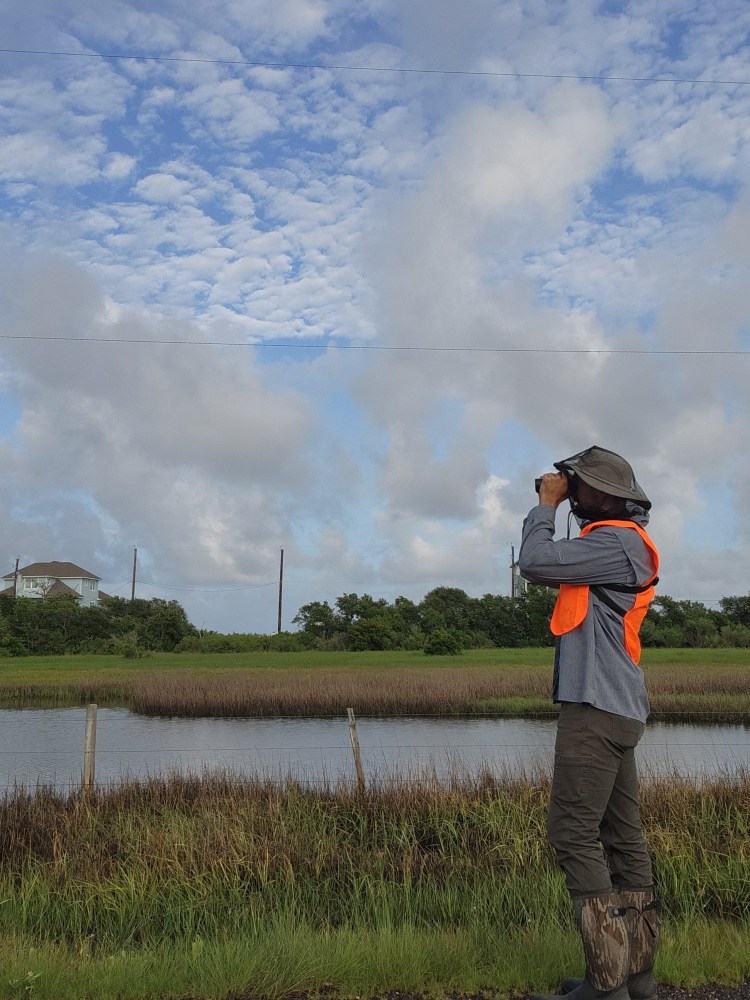
Birds Houston surveyed 39 points across 5 sites along the Upper Texas Coast. Each point was surveyed 6 times for both Mottled Duck and Black Rail, totaling 468 surveys. Between mid-May and the end of July, Birds Houston staff had 57 Black Rail detections at 13 of the 39 points. Only a handful of Mottled Duck were detected, though many are known to use nearby sanctuaries.
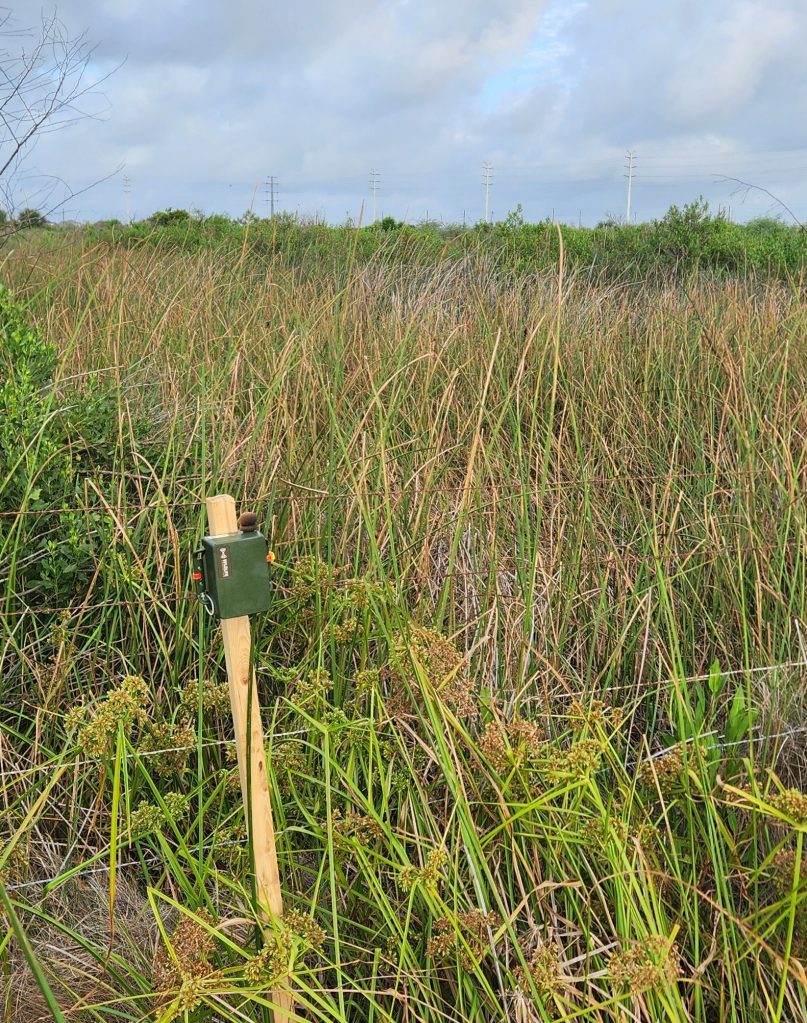
15 Autonomous Recording Units (ARU) were deployed across Birds Houston sanctuaries and a partner property, recording continuously 24/7. These devices help researchers collect data on wildlife based on the sounds an animal makes. ARUs were visited every two weeks for service (battery change, SD card swap, and ant removal). For two months, the ARUs recorded almost 10 Terabytes of data which will be processed for Black Rail vocalizations.
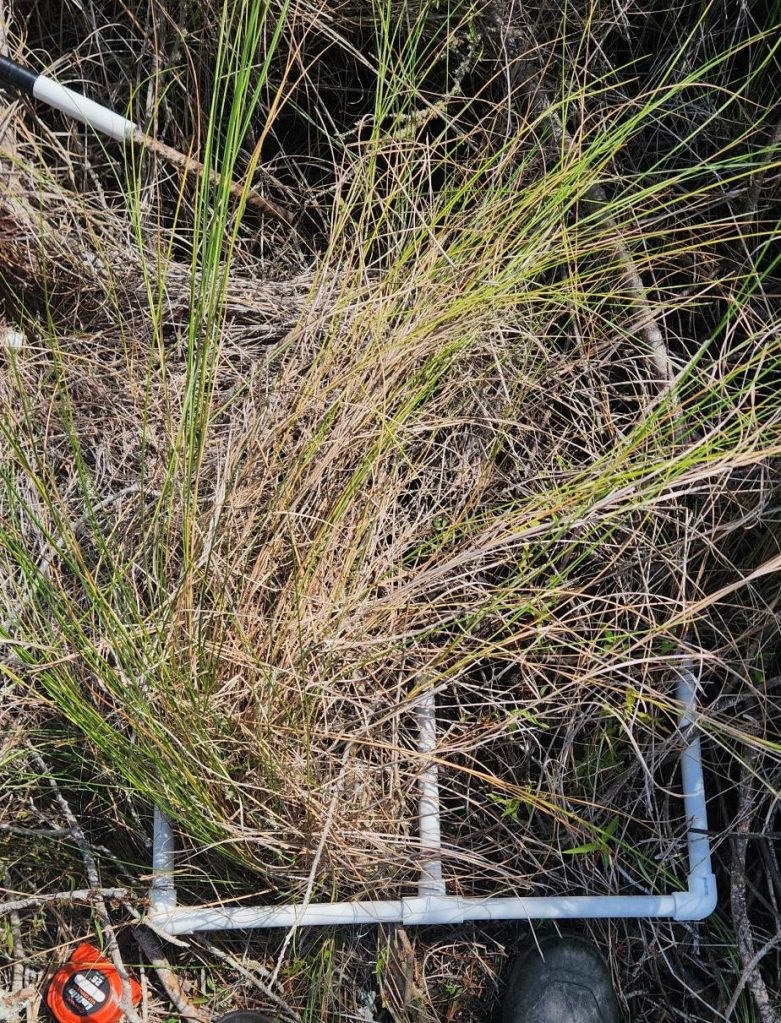
Vegetation surveys were conducted in late summer and fall to help researchers understand which structural components of the landscape the Black Rail and Mottled Duck use before and after burns. Birds Houston staff completed 252 randomized vegetation surveys surrounding known Black Rail and Mottled Duck points.
Next Steps
Between now and Spring 2027, Birds Houston staff, along with researchers from the University of Illinois, will be working to find more high marsh areas to survey for rails and ducks on the Upper Texas Coast. Key next steps include hiring a field technician and replacing heavily worn equipment following a rigorous field season.

