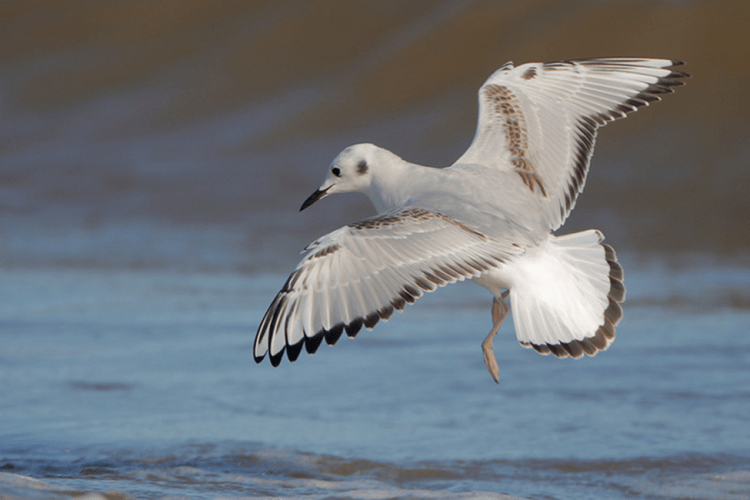
Bonaparte’s Gull (Chroicocephalus philadelphia) Family: Laridae By Robert Buckert, Houston Audubon Coastal Conservation Technician Gulls are often regarded as one of the most difficult groups of birds for birders to identify. Across much of the country, there’s significant local diversity, often marked by subtle differences and complex plumage cycles. Add in often distant and suboptimal […]
Gadwall (Mareca strepera) Family: Anatidae By Spencer Poling, Houston Audubon Coastal Conservation Technician Easy to overlook from a distance as a plain gray bird, Gadwalls become increasingly more beautiful and fascinating the closer you look. Males are especially striking up close, with intricately patterned gray and silver breasts, a white wing patch called a speculum, […]
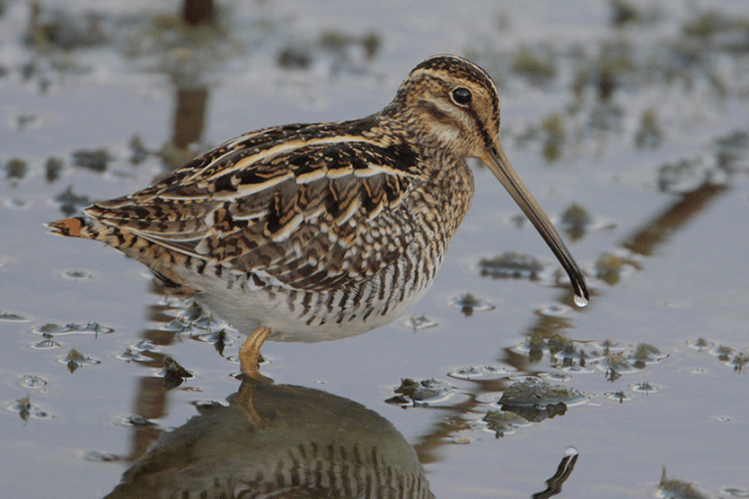
Wilson’s Snipe (Gallinago delicata) Family: Scolopacidae By Colleen McDonough, Houston Audubon Coastal Conservation Technician A bird you may not see until it suddenly bursts out of a grassy patch, Wilson’s Snipes are elusive shorebirds with intricate patterning that helps them blend in with their marshy surroundings. Their plump stature, brightly streaked plumage, and proportionately long […]
Belted Kingfisher (Megaceryle alcyon) Family: Alcedinidae By Spencer Poling, Houston Audubon Coastal Conservation Technician Belted Kingfishers are common and widespread, yet they’re eye-catching birds whose presence is often hard to miss! Their stocky bodies, large heads, and bulky bills make Belted Kingfishers easy to recognize, yet it’s usually their loud, rattle-like call that announces their […]
Hooded Merganser (Lophodytes cucullatus) Family: Anatidae By Colleen McDonough, Houston Audubon Coastal Conservation Technician Sporting a ridiculously large crest, the Hooded Merganser could never not stand out in a pond! Breeding males have striking black and white patterning while females are cinnamon colored. Hooded Mergansers are the smallest of the mergansers found in the Americas, […]
LeConte’s Sparrow (Ammospiza leconteii) Family: Passerellidae By Robert Buckert, Houston Audubon Coastal Conservation Technician This week’s beak belongs to one of the most secretive grassland songbirds in North America. Some birders associate late fall birding with sparrows, as most arrive and are prominent in this window after many other songbirds have already passed through. This […]
Piping Plover (Charadrius melodus) Family: Charadriidae By Spencer Poling, Houston Audubon Coastal Conservation Technician Of all the plover species found in the United States, none is as universally loved as the Piping Plover. They are easily identified by their orange legs, pale tan upperparts, broken breast band, and stubby bill. Two other similar species to […]
Hudsonian Whimbrel (Numenius hudsonicus) Family: Scolopacidae By Colleen McDonough, Houston Audubon Coastal Conservation Technician With a long, curved bill designed for catching crabs in their burrows, Hudsonian Whimbrels are a joy to watch on their wintering grounds. The species Whimbrel was recently split into Hudsonian Whimbrel and Eurasian Whimbrel based on genetic differences between American […]
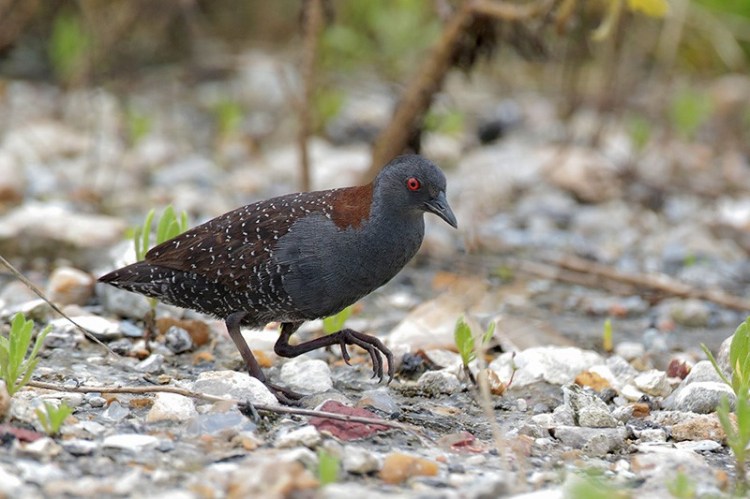
Black Rail (Laterallus jamaicensis) Family: Rallidae By Robert Buckert, Houston Audubon Coastal Conservation Technician This week’s beak is held by the smallest rail in North America. Similar in size to a sparrow, the Black Rail is one of the most highly sought-after and difficult species to spot, proving infamously elusive as it buries itself in […]
Reddish Egret (Egretta rufescens) Family: Ardeidae By Colleen McDonough, Houston Audubon Coastal Conservation Technician The Reddish Egret is North America’s rarest (and likely most eccentric) heron. An array of fast-paced and erratic hunting movements makes these birds stand out boldly among other wading species. Reddish Egrets are found almost exclusively near saltwater and brackish wetlands, […]





 Houston AuduBlog