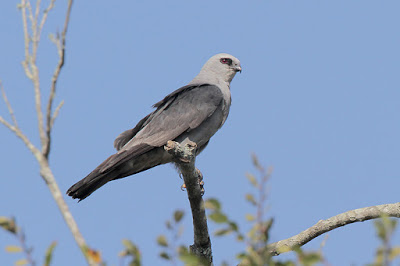
Mississippi Kite (Ictinia mississippiensis) Family: Accipitridae Mississippi Kites arrive in spring from their winter homes deep in South America. A medium-sized hawk, the Mississippi Kite has long, narrow, pointed wings and a long black tail. The back is dark gray while the breast and belly are almost white. The head is pearly gray with a […]
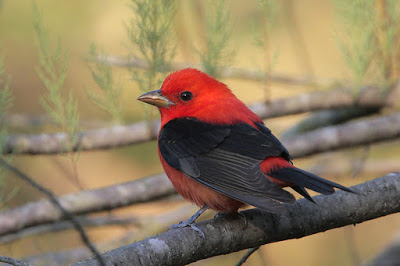
Scarlet Tanager (Piranga olivacea) Family: Cardinalidae The breeding Scarlet Tanager male is one of the most brilliantly colored birds that you may encounter during migration. In spring and summer, the males are scarlet red with jet black wings and tail. Females and fall immatures are olive-yellow with darker olive wings and tails. After breeding, adult […]
Rusty Blackbird (Euphagus carolinus) Family: Icteridae Rusty Blackbirds have been the talk of High Island for the last few weeks, as they are currently being seen in Smith Oaks Sanctuary for the first time. They winter in the Eastern United States and are relatively uncommon in Southern Texas. These birds have a thin, curved bill […]
White-crowned Sparrow (Zonotrichia leucophrys) Family: Passerellidae The White-crowned Sparrow is a light gray sparrow with a brown back and wings, a long tail, orange, conical bill, and black and white striped cap on the head, making them look a little like badgers. White-crowned Sparrows are very selective about the species they allow into their territories. […]
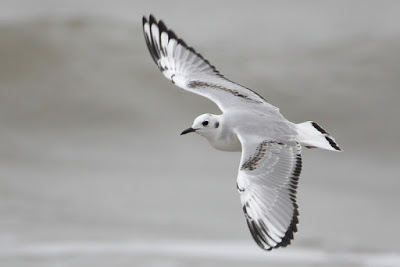
Bonaparte’s Gull (Chroicocephalus philadelphia) Family: Laridae This common gull gets its claim to fame by being the only gull species to nest in trees. On their breeding grounds in the boreal forests of Canada, Bonaparte’s Gulls build their nests of sticks, bark, lichen, and moss on a conifer tree. Gulls typically build ground nests, but […]
Redhead (Aythya americana) Family: Anatidae Much like Beyoncé, this week’s Beak of the Week is so fabulous that it need only be referred to by one name: Redhead. A male Redhead will have a light gray body, with a black rump and breast, and a vibrant rufous head. Female Redhead are a dark tan color […]
Ruddy Duck (Oxyura jamaicensis) Family: Anatidae This week’s Beak of the Week is named after its reddish-brown body, although it is perhaps more easily recognized by its striking light blue bill. Ruddy Ducks lay the largest eggs of all waterfowl, proportionately. The ducklings are already well-developed when hatched and need minimal parental care. This small […]
One of the unintended benefits of having to stay home during this pandemic is an added appreciation for the commonplace beauty of our households, backyards, and parks. Being a senior in high school and eagerly anticipating college, I have always taken the comforts of my home for granted. It was through birdwatching during this pandemic […]
Common Grackle (Quiscalus quiscula) Family: Icteridae This week’s Beak of the Week can be found year-round in most of Texas. Common Grackles are lanky blackbirds with iridescent teal heads, purple wings, and olive and purple bodies. Female grackles are less iridescent, and often appear brown. Male Common Grackles will puff their feathers when singing, […]
By Glenn Olsen There is so much excitement surrounding spring bird migration and rightfully so, as many colorful and interesting birds return to North America for breeding. I enjoy spring migration, but I also look forward to winter birding with equal excitement as spring! Resident Birds Naturally, we have our resident birds, such as the […]



 Houston AuduBlog