

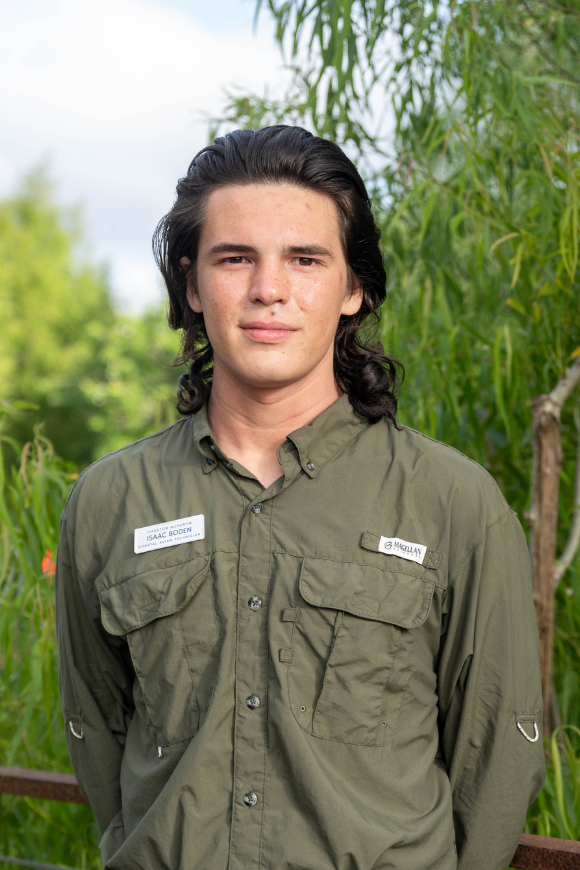
By Isaac Boden, Beach-Nesting Birds Conservation Technician
Out on the beaches of the Bolivar Peninsula, a nesting season can change in an instant. One day, the sand is dotted with tiny shorebird tracks, adults are shuttling back and forth from the surf, and nests are tucked into the dunes. Next, a storm surge or unusually high tide can wash away an entire ecosystem and, with it, weeks of effort by species that work hard to raise the next generation.
Over the course of this summer season, four crucial sites along the Bolivar Peninsula are regularly monitored to ensure these areas remain safe for birds nesting on the beaches and in the vegetated dunes. Focal species include Wilson’s Plovers, Snowy Plovers, Least Terns, and Common Nighthawks. Other species also utilize these spaces for clutch rearing, including Willets (Eastern subspecies), Black-necked Stilts, Horned Larks, Killdeer, and many others. These sites include Bolivar Flats Shorebird Sanctuary, Ferry Beach, High Island Beach, and a stretch of beach off the Jocelyn Nungaray National Wildlife Refuge.
For the Wilson’s Plovers, it has been a period of both impressive productivity and considerable loss. Across our survey sites, 23 total nests were found. 7 were found at Bolivar Flats, another 7 at Ferry Beach, and 9 along High Island Beach. But coastal weather can be unforgiving. Tropical Storm Arthur, along with other heavy storms and high tides, washed 13 of these nests away. Fortunately, 4 clutches produced 7 chicks that have successfully fledged and are on their way to full independence. The remaining were depredated by other avian species, Atlantic ghost crabs, and even a coyote. These losses highlight just how narrow the margin for success can be. A nest may survive a storm only to face another threat: disturbance. When humans disturb nesting areas, it forces birds to leave their nests open to predators that are more than willing to snack on this opportunity. For a bird sitting quietly on a nest, a few minutes of disturbance can have consequences that last the entire season.
The Least Terns have faced an equally dramatic season. Before the tropical storm arrived on June 17th, Ferry Beach had a high count of 71 nests, Bolivar Flats had 37 nests, 26 at the beach on the NWR, and 47 at High Island Beach. At least one chick hatched at Ferry Beach, while at least six hatched at the NWR before the storm. Then, the weather brought change to the landscape. Except for the 1 chick, 8 nests at Ferry Beach, and 2 nests in High Island, the remaining nests and chicks were not relocated. For the birds, the season became a test of whether they could find suitable ground and begin again. At the NWR, a challenge reappeared: human disturbance. Fourth of July celebrations and other recreational activities made portions of the beach incredibly difficult for the terns to use as nesting sites.
Yet the story of these birds isn’t simply one of loss. It is also one of resilience. At the other three sites with minimal disturbance, Least Terns have responded to the changing conditions by renesting. In total, more than 85 new nests have been documented, and at least 18 chicks have hatched as a result.
Common Nighthawks have also made use of these coastal habitats. Five nests were recorded during the season, with one each found at Bolivar Flats, Ferry Beach, and High Island Beach. Snowy Plover nests, however, were not located this summer on the peninsula.
Taken together, the numbers tell an important story about the season, but they only tell part of it. Beach-nesting birds live at the mercy of an environment that is constantly changing. Weather, tides, predators, and human activity can all determine whether a nest succeeds or disappears. That ability to start over has been one of the most remarkable things about watching these birds this summer. A beach that looks empty to us can be full of possibility to a Least Tern or Wilson’s Plover. When conditions allow, they return, rebuild, lay another clutch, and try again even after losing their first attempt to any number of disturbances. Some may try for a third time if conditions are optimal.
That is why regular monitoring and protecting nesting areas are so important. Every nest is a small investment in the future of these species, and every successful fledgling represents a remarkable journey from some nearly invisible eggs in the sand to a young bird capable of taking flight.
Some of my favorite moments were created while keeping an attentive eye on the behavior of these charismatic species. From watching territorial Wilson’s Plovers chase each other across the sand to seeing cautious parents alerting their chicks of threats, and yes, even getting dive-bombed by feisty Least Terns are memories I will not soon forget.
Ways you can help protect our beach-nesting birds include watching out for nests on the beach, respecting symbolic signage and fencing, and keeping 50 yards away from nesting birds. Walking on the wet sand can help prevent nest-related incidents and disturb fewer birds. Refraining from feeding gulls, as this can attract potential predators to nesting areas, keeping all dogs on leashes, and volunteering for scheduled beach clean-ups are other ways to lessen our impact.

